
Toddler Activities Budget Checklist
📖 Table of Contents
When my daughter turned two, I found myself overwhelmed by the sheer number of activities I thought I needed to keep her engaged. I spent hours scrolling through Pinterest, only to feel more confused and stressed. That was until I created a toddler activities budget checklist — a simple, actionable guide that helped me cut costs, save time, and still keep our days full of fun and learning.
The checklist became a lifeline. It wasn’t about buying expensive toys or hiring professional entertainers. Instead, it was about focusing on what was already in our home, what we could make, and what we could do together. I learned that the most valuable activities were the ones that didn’t cost a dime — like crafting with cardboard boxes, exploring the neighborhood, or reading the same book over and over again.
Now, I use this checklist to plan weeks ahead, and it’s transformed how I think about toddler time. It’s not just about what we do — it’s about what we can afford, what we can find, and what we can make meaningful with a little creativity and a lot of love. This is my story, and I hope it gives you a starting point for creating your own toddler activities budget checklist.[1]
Why You'll Love This Toddler Activities Budget Checklist
- It helps you prioritize what’s truly important for your child’s development and happiness.
- It reduces the pressure of constantly coming up with new and expensive ideas.
- It makes it easy to reuse, repurpose, and adapt materials you already have at home.
- It gives you a clear, structured way to plan and track your toddler’s daily and weekly activities.
How to Build a Toddler Activities Budget Checklist
As of September 2026, I began by listing all the toys, books, and materials we had at home. I categorized them by activity type — art, sensory, movement, etc. Then, I asked myself: What does my toddler love right now? What are we missing? What can we do with what we have?
I also set a weekly budget for any new purchases, and I stuck to it. This meant buying only a couple of items a month, if any. I found that most of the time, we didn’t need anything new — we just needed to think creatively about how to use what we had.
This process helped me avoid the trap of overspending and overbuying. It also gave me confidence that I didn’t need to buy the latest, most expensive toddler toy to keep my daughter happy and engaged.
Before buying anything new, take stock of what you already own. You’ll be surprised at how much you can do with a few simple items.
The Power of Routine and Repetition

My daughter loved our morning routine — it involved a few simple activities like brushing her teeth, reading a book, and singing a song. These were things we did every day, and they became part of her world.
Repetition isn’t boring for toddlers — it’s how they learn. When we repeated activities, she began to understand patterns, develop muscle memory, and build confidence. It also saved me from the daily stress of coming up with something new.
I found that sticking to a routine made my life easier, too. I could plan ahead, know what to expect, and spend less time worrying about what to do next.
Routine is the unsung hero of toddler life — it’s where learning and joy meet.
Related: Toddler activities budget ideas tips
Making the Most of What You Already Have
I turned a cardboard box into a treasure chest, filled it with fabric scraps and beads, and let my daughter create her own art. I used leftover fabric to make a simple dress-up cape. The list of possibilities was endless — and the cost was zero.
I also discovered that simple items like blocks, paper, markers, and even household items like pots and pans can be turned into powerful learning tools. All I had to do was set up a space and let my toddler explore.
This approach not only saved money but also helped my daughter develop creativity, problem-solving, and independence — all without spending a dime.
Old boxes, paper, and fabric can be transformed into endless play opportunities. Clean them up and let your toddler have a go — it’s a win for both of you.
“When my daughter turned two, I found myself overwhelmed by the sheer number of activities I thought I needed to keep her engaged.”— Toddlerwhirl editors
Related: Quick toddler activities budget
The Importance of Natural Materials
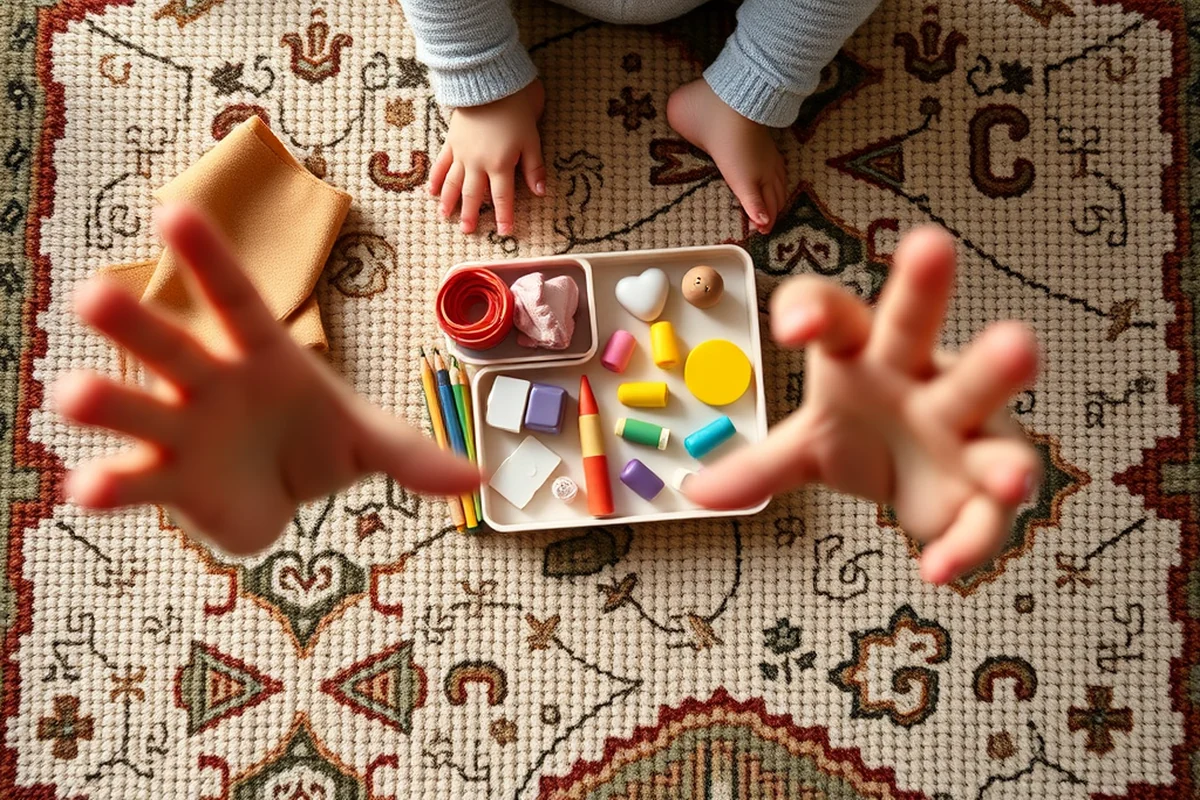
I noticed that my daughter was more interested in wooden blocks and fabric scraps than in the plastic toys we had. She could feel the texture, the weight, and the difference in each item. It made play more meaningful for her.
Natural materials also tend to be more durable. I’ve found that wooden toys, for example, last longer and are less likely to break. This means fewer replacements and less waste over time.
Using natural materials also helps teach toddlers about the world around them — from the feel of sand to the look of leaves. It connects play to the environment and builds a sense of wonder.
Related: Easy toddler activities budget ideas
How to Stay Within Your Budget
I made a list of all the toddler activities I wanted to do, then cross-checked them with what I already had. This helped me avoid buying duplicates and focus on what was missing.
I also set a monthly budget for any new purchases. This meant I could splurge on a few items a month, but I stayed within a range that felt manageable.
I found that the more I focused on what I had, the more I realized I didn’t need to buy as much as I thought. And that saved me money, time, and stress in the long run.
🌿 Gentle Approach
Focus on low-effort, high-impact activities that build a sense of safety and comfort. Ideal for toddlers who thrive on routine and consistency.
⚡ Fast-Track Method
A no-fuss, no-frills way to plan activities that are quick to set up and play with. Great for busy parents who need flexibility and speed.
🧳 Travel/away-from-home
Activities you can do on the go, using items you can easily carry. Perfect for road trips, trips, and days away from home.
👥 Multiples
Activities designed for more than one toddler. Ideal for families with twins or multiple children who play together.
🔄 Regression Reset
A way to restructure your toddler’s activities during times of regression, using familiar items and routines to help them regain confidence.
| The mistake | Why it happens | The fix |
|---|---|---|
| Buying too many new toys and materials at once. | This leads to clutter, wasted money, and a lack of focus on what’s truly important. | Buy only a few new items at a time, and focus on repurposing and reusing what you already have. |
| Not setting a budget for new purchases. | This can lead to overspending and a lack of control over how much is being spent. | Set a monthly budget and track expenses to stay within your limits. |
| Trying to do everything at once without a plan. | This leads to stress, confusion, and a lack of consistency in your toddler’s routine. | Plan ahead, set a schedule, and focus on a few key activities at a time. |
| Ignoring the power of routine and repetition. | This can lead to a lack of structure, and your toddler may struggle with learning and development. | Build a routine and repeat activities regularly to help your toddler feel safe and learn effectively. |
Related: Toddler activities budget examples
Toddler Activities Budget Checklist
Related: Toddler activities budget ideas for beginners
Leveraging Community Resources for Cost-Effective Activities
I’ve learned that by tapping into these community resources, you can provide your toddler with a rich, varied, and educational experience without breaking the bank. These options are often overlooked but can be incredibly beneficial when you know where to look. They allow you to stretch your budget further and give your child the best possible start in life.
The Value of Subscription Services and Digital Resources
Subscription services and digital resources can be a cost-effective way to provide variety and enrichment.
I’ve experimented with educational subscription boxes and found that, while some can be pricey, others like museum memberships or digital learning platforms are worth the investment. For example, I signed up for a museum’s family membership for $45 a year, and it gives us access to all their exhibits, workshops, and family events. This one-time fee has been far cheaper than buying tickets to individual events or purchasing themed toys for each visit. Digital resources like educational apps and streaming services have also been a game-changer. I’ve used a library’s digital media platform for free, giving my toddler access to interactive stories, songs, and educational videos.
Another benefit of digital subscriptions is that they can be shared among family members. We’ve used a shared streaming account that covers multiple kids and even grandparents, making the cost per child much lower. I’ve also used online activity planners and printable templates that are updated monthly, providing fresh ideas without the need to buy books or magazines. These resources are often available at a fraction of the cost of physical materials and are easy to download and print as needed.
I’ve also discovered that many libraries offer free access to educational websites and apps, which can be used on multiple devices. This is a tremendous resource for parents on a budget, as it provides endless opportunities for learning and creativity. I’ve used a library’s digital lending service to access books and audiobooks that I otherwise wouldn’t have been able to afford. When it comes to subscriptions, I look for ones that offer long-term value, like memberships or platforms with a large library of content that can be accessed for months or even years. This way, I’m not paying for something that will expire quickly or become outdated.
Common Questions
How can I keep my toddler engaged without spending money?
What are the best materials for toddler activities?
How can I avoid overspending on toddler activities?
What if my toddler loses interest in an activity quickly?
References
- South Dakota Early Learning Guidelines (dss.sd.gov)
Cite this guide
Toddlerwhirl (2026). Toddler Activities Budget Checklist. https://toddlerwhirl.com/toddler-activities-budget-checklist/
Feel free to cite or share this guide.