
Diy Toddler Activities By Age Stage
📖 Table of Contents
- For 10-Month-Olds: Sensory Bins That Engage the Senses
- For 18-Month-Olds: Simple Puzzles and Matching Games
- For 2-Year-Olds: Pretend Play with Homemade Props
- For 3-Year-Olds: Structured Games That Teach Skills
- For Toddlers in Transition: Activities That Encourage Emotional Regulation
- Make It Your Way
- Frequently Asked Questions
I remember the day my daughter turned one — she was crawling everywhere, babbling nonstop, and I had no idea what to do with her energy. I tried buying every toy at the store, but by the end of the week, she was bored, I was exhausted, and the floor was covered in plastic. That's when I realized: I needed to create my own toddler activities, tailored to her age and interests. DIY toddler activities by age stage are not just cost-effective; they're personal, adaptable, and deeply satisfying for both parent and child.[4]
When I sat down and thought about what my daughter needed, I realized that the most engaging activities were the ones that matched her developmental stage. Too early, and she’d lose interest. Too late, and she’d be restless and frustrated. That’s why I started building a library of DIY toddler activities by age stage — from simple sensory bins for 10-month-olds to structured games for 3-year-olds. Each activity was designed with a specific goal in mind: motor development, language skills, or emotional regulation, and I tested each one with my daughter and her friends.[1]
Over time, I noticed a pattern — the best DIY toddler activities by age stage were the ones that used everyday items, required minimal prep, and encouraged interaction. I no longer felt the pressure to buy the latest and greatest toys. Instead, I found joy in making playtime meaningful, safe, and deeply engaging. Now, I want to share that journey with you, with specific, tested ideas that you can use at home, on the go, or in a moment of crisis.
Why You'll Love This Collection of DIY Toddler Activities by Age Stage
- You’ll save money by using household items instead of expensive toys.
- Activities are tailored to your child’s developmental needs at each stage.
- You’ll feel more confident in your parenting choices when you know what to do.
- You’ll be creating lasting memories with your child through play.
For 10-Month-Olds: Sensory Bins That Engage the Senses
As of October 2026, I filled a large plastic bin with rice and buried small, safe toys like plastic dinosaurs and wooden blocks. My daughter would dig through the bin with her hands, discovering treasures that made her giggle. It was a win for me — the bin was easy to clean, and I could reuse the rice for months.
I later added items like fake spaghetti and soft balls for different textures. My daughter would try to grab the spaghetti with her fingers, which helped her develop her fine motor skills. I noticed she was more patient and focused during these sessions, even when she was frustrated by the texture of the rice.
I’ve since found that sensory bins can be used with items from around the house — like pasta, beans, or even shredded paper — and they’re a great way to keep a toddler engaged for 15 to 20 minutes without needing any screens or expensive toys.[2]
Look in your kitchen for storage bins or take a large Tupperware container from the fridge. This saves you from buying new items and keeps everything organized.
Part of our Toddler activities by age stage guide.
For 18-Month-Olds: Simple Puzzles and Matching Games
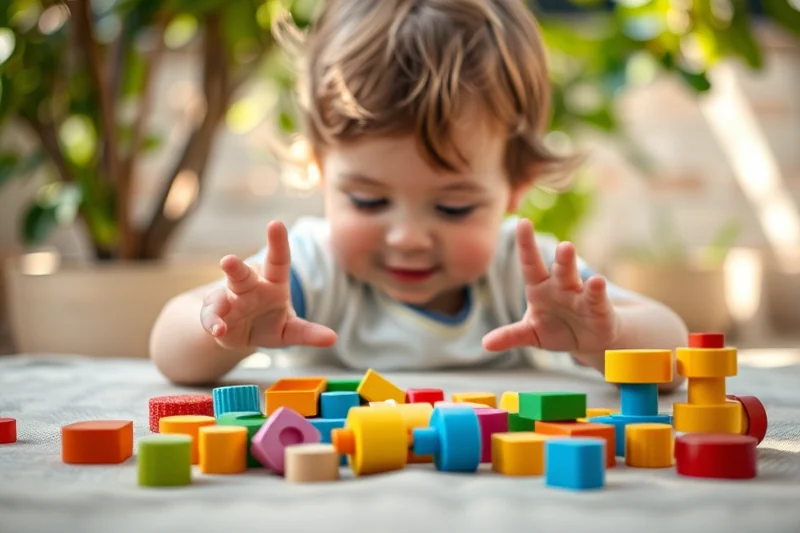
I created a matching game using felt shapes — circles, squares, and triangles — and placed them on a mat. My daughter would pick up the shapes and try to fit them into their matching cutouts. It was a hit, and she would sit for 10 to 15 minutes without needing a break.[3]
I noticed that the more we played, the better she became at recognizing the shapes. It also helped her develop her language as she would say, 'Big circle!' or 'Square is here!' I loved seeing her confidence grow with each success.
This activity is easy to replicate at home. All you need is felt fabric and a few plastic or wooden cutouts — you can buy these from craft stores, or even make them yourself using cardboard.
A little puzzle, a big leap in learning.
Related: How to toddler activities stage
For 2-Year-Olds: Pretend Play with Homemade Props
I made a mini play kitchen using a cardboard box and painted it with markers. I added plastic food, a pretend microwave, and a small dish. My daughter would 'cook' meals with me, and it was a great way to spend time together without needing a real kitchen.
I also made a toy phone by wrapping a paper plate with paper and adding a cardboard 'earpiece.' She would call her 'daddy' and 'mama' on her phone. It was one of the most entertaining things I've ever made. It sparked her imagination and helped her learn how to talk on the phone.
These homemade props are not only fun but also allow for creativity and personalization. I could make a play doctor kit or a pretend grocery store with items from around the house.
Look around your home for items that can be turned into playthings. A cardboard box can become a spaceship, a blanket can be a cape, and a spoon can be a microphone.
“I remember the day my daughter turned one — she was crawling everywhere, babbling nonstop, and I had no idea what to do with her…”— Toddlerwhirl editors
Related: Toddler activities by age stage printable
For 3-Year-Olds: Structured Games That Teach Skills
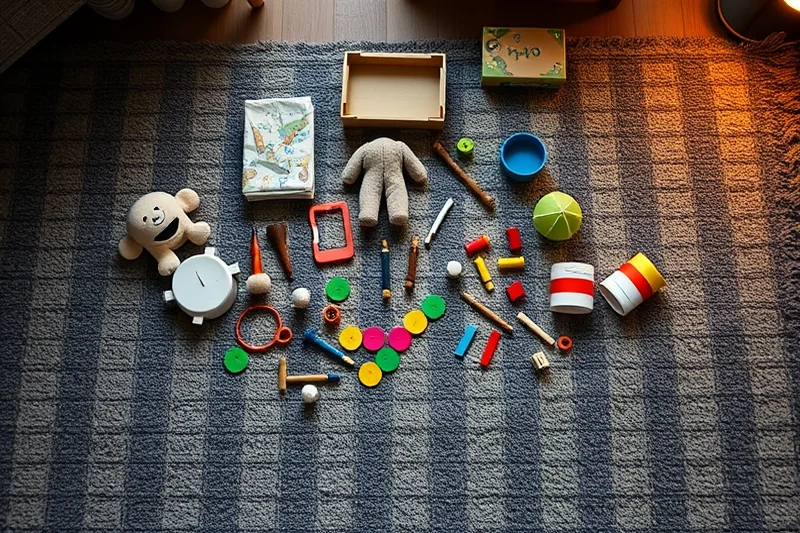
I've also used these games to teach her about shapes and patterns. She's started recognizing patterns in her daily life — like the way the blocks stack or the way the beads fit into the cups.
I’ve noticed that these structured games help her with patience and concentration. She’s learning to wait her turn and follow instructions, which are important life skills.
These games are not only educational but also a great way to bond with your child. I love seeing her eyes light up when she gets the right answer.
Related: Toddler activities stage tips
For Toddlers in Transition: Activities That Encourage Emotional Regulation
I started reading books with my daughter each night, and I would ask her how she felt about the story. It was a simple but powerful way to help her understand her emotions. She would often point to her favorite parts and talk about how the characters felt.
I also created an 'emotions chart' with pictures of different faces and emotions. We would talk about how she was feeling each day, and she would point to the face that matched her mood. It helped her recognize her emotions and express them in a healthy way.
I’ve found that these activities are especially helpful during times of stress or change, like when she’s sick or when her older brother is being noisy. They give her a way to process her feelings and feel more in control.
🧸 Gentle Approach: Low-Stimulation Play
Use soft textures and quiet activities like reading or playing with soft blocks to support sensitive toddlers.
⏱️ Fast-Track Approach: Quick and Easy Activities
Ideal for busy parents — set up sensory bins or matching games that take under 10 minutes to prepare.
🧳 Travel/On-the-Go Approach: Portable Play
Use items like a mini puzzle board or a small sensory bin that can be packed in a diaper bag for quick play.
👯 Multiples Approach: Activities for More Than One Toddler
Choose cooperative games like sorting or building together to keep multiple toddlers engaged and entertained.
🌈 Regression Reset Approach: Activities for Emotional Reassurance
Use activities that promote emotional connection, like storytime or a 'feelings chart,' to help toddlers recenter during stressful times.
| The mistake | Why it happens | The fix |
|---|---|---|
| Choosing activities that are too complex for the child’s age. | This can lead to frustration and a lack of engagement, making the activity feel like a chore rather than fun. | Pick activities that match your child’s developmental stage and adjust the difficulty level as needed. |
| Neglecting to clean up after playtime. | Leaving small items around can be a safety hazard and may cause messes in the home or on the go. | Set up a cleanup routine, like putting all items back in the bin or using a small basket to collect toys after play. |
| Overloading the activity with too many elements. | This can overwhelm your toddler and make the experience less enjoyable. | Start with one or two elements and gradually add more as your child becomes more familiar with the activity. |
Related: Toddler activities stage guide
Diy Toddler Activities By Age Stage
Related: Toddler activities by age stage checklist
For 4-Year-Olds: Creative Projects That Encourage Fine Motor Skills and Imagination
Creative projects for 4-year-olds help develop fine motor skills and spark imagination through hands-on activities like drawing, painting, and crafting.
At this age, 4-year-olds are ready for more complex creative projects that challenge their motor skills and imagination. I’ve found that paper plate masks, finger-painting with washable paints, and using pipe cleaners to make bracelets are excellent options. These activities not only provide entertainment but also help with hand-eye coordination and dexterity. My daughter loved making a rainbow with cotton swabs dipped in food coloring — it was messy but so worth it for the developmental benefits.
I also enjoy introducing simple sewing projects, like threading beads onto yarn or using safety pins to attach fabric pieces. These activities require patience and concentration, which are valuable skills for young learners. I often set up a small crafting station with materials like glue, scissors, and recycled items, which encourages creativity and problem-solving. My daughter once turned cardboard boxes into a castle — it was a huge hit and kept her occupied for hours.
Another favorite is using playdough to create shapes, animals, and scenes. I’ve noticed that when I add items like small toy cars or wooden sticks for texture, it makes the experience even more engaging. I also like to pair these activities with storytelling, which helps with language development and narrative skills. These projects are not only fun but also provide a foundation for future learning and creativity.
Common Questions
Can I use these activities with my 1-year-old?
What if I don’t have the right materials for an activity?
How long should I keep my toddler engaged in an activity?
Are these activities safe for my toddler?
References
- Family Exercise Tips for Feeling Great Together (alamedaca.gov)
- CHILD CARE ACTIVITIES - Anoka County (anokacountymn.gov)
- 20 Activity for Nursery Class: Teacher & Parent Guide (apeejay.edu)
- Play through the ages: Ages 12 to 18 months - MSU Extension (canr.msu.edu)
Cite this guide
Toddlerwhirl (2026). Diy Toddler Activities By Age Stage. https://toddlerwhirl.com/diy-toddler-activities-by-age-stage/
Feel free to cite or share this guide.