
Quick Toddler Activities Ideas
📖 Table of Contents
When my daughter was two, I found myself stuck in a loop of screen time, desperate for something engaging and educational that didn’t involve a tablet. I remember the frustration of watching her flick through the same app for the 10th time that day, and the relief when I stumbled upon a stack of cardboard boxes in the garage. It turned out that these simple materials became the foundation for some of our most memorable and educational moments together, and that’s how I began exploring the world of quick toddler activities ideas.
Quick toddler activities ideas are not just about filling time—they’re about sparking curiosity, building motor skills, and fostering creativity. In my experience, the best activities are the ones that don’t require expensive materials or a lot of setup. I’ve learned that even a few minutes can make a difference, especially when you’re juggling work, household chores, and the occasional toddler meltdown. The key is to be intentional with your time and choose activities that are both fun and meaningful.[1]
What I’ve discovered is that quick toddler activities ideas can be just as impactful as long, elaborate play sessions. Whether you're in the middle of a busy day or need something to keep your little one entertained while you prepare dinner, these activities can be life-savers. Over time, I’ve compiled a list of ideas that are easy to implement, low on cost, and high on engagement—because I know how valuable every moment with your toddler really is.
Why You'll Love This Quick Toddler Activities Guide
- Boosts cognitive and motor skills with minimal effort
- Requires no special equipment or preparation
- Encourages creativity and imagination
- Provides quality time without the stress of elaborate setups
Simple Sensory Play with Everyday Materials
As of October 2026, I once used a plastic container filled with rice and hidden small toys for a game of 'find the treasure.' It took just a few minutes to set up. My daughter was happily digging through the rice for nearly an hour. Sensory play like this helps build fine motor skills and hand-eye coordination. It's also a great way to observe how your toddler interacts with different textures and materials.
I found that using items like dried beans, pasta, or even shredded paper can be just as engaging. I’ve noticed that my daughter is more focused and calmer during these activities compared to when she’s on a screen. It’s not just about the play—it’s about the connection and the learning that happens through touch and exploration.
Another time, I filled a container with water and food coloring for a simple and colorful sensory experience. My daughter loved watching the colors swirl and mixing them with her fingers. It was a low-cost, no-fuss way to keep her entertained and learning at the same time.
Don’t be tempted to buy specialty sensory bins—use what you have. A container, a few items, and a little creativity go a long way.
Quick Indoor Obstacle Courses
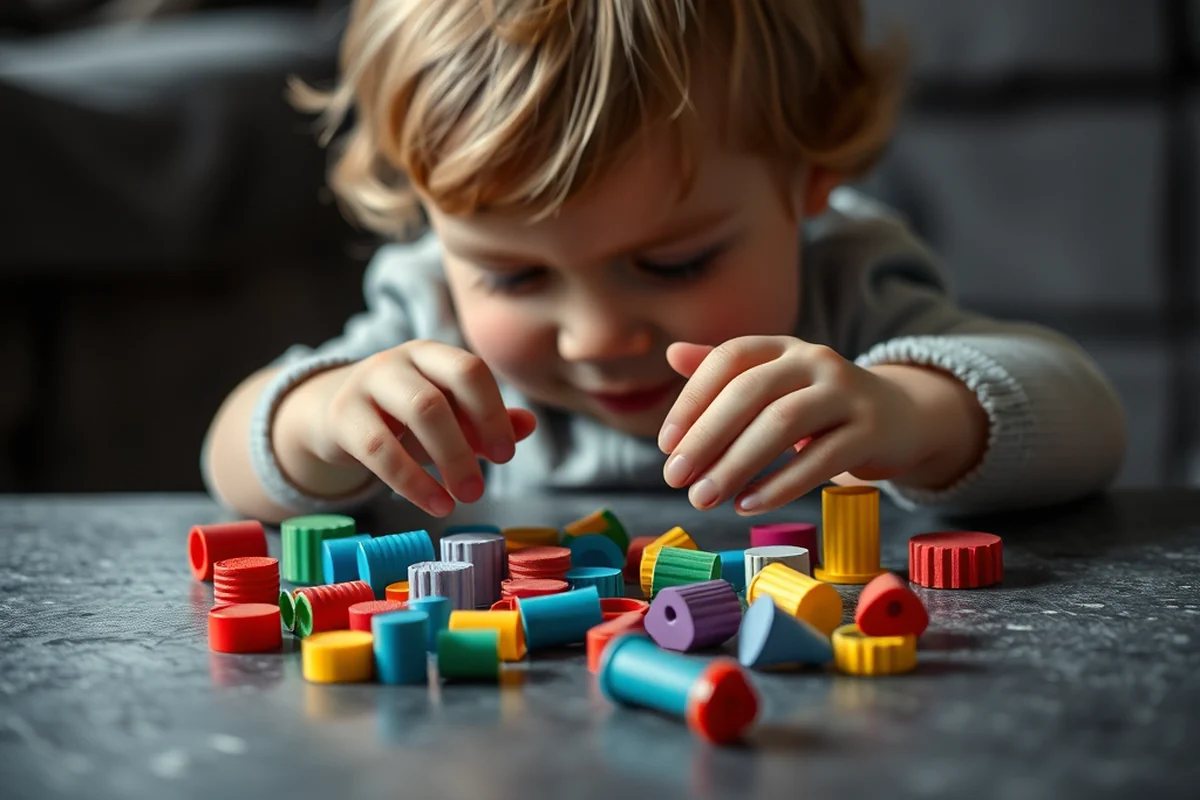
I set up a small course using pillows, a laundry basket, and a chair. I had my daughter crawl under the chair, jump over the pillows, and climb into the laundry basket. It was a hit and kept her entertained for over 20 minutes. Obstacle courses are a great way to encourage physical development and problem-solving skills.[2]
I noticed that my daughter was more confident in her movements after a few sessions of this kind of play. She even started making her own variations, like adding a ‘bridge’ made from a stack of books. It was amazing to see her creativity and determination.
I’ve found that obstacle courses can be adapted to any space and require no special equipment. Just a few household items and a bit of imagination can turn your living room into a mini playground.
Obstacle courses are the ultimate brain and body workout for toddlers.
Related: Toddler activities budget checklist
Storytime with a Twist
I’ve taken to using a simple prop, like a stuffed animal or a soft blanket, and asking my daughter to ‘help’ the character find something in the room. This not only keeps her focused but also encourages language development and listening skills. It’s a great way to incorporate learning into a familiar routine.
I’ve noticed that when I change the story or use different props, my daughter is more excited to participate. One day, I used a dinosaur toy and asked her to find the ‘lost egg’ in the room. She loved the challenge and was eager to help find the ‘treasure.’
I’ve found that interactive storytime can be done in just a few minutes and still be meaningful. It’s a way to bond, teach, and have fun all at once.
Instead of just reading, ask your toddler questions about the story. This encourages critical thinking and keeps them engaged.
“When my daughter was two, I found myself stuck in a loop of screen time, desperate for something engaging and educational that didn’t involve a…”— Toddlerwhirl editors
Related: Toddler activities budget ideas ideas
Music and Movement Time
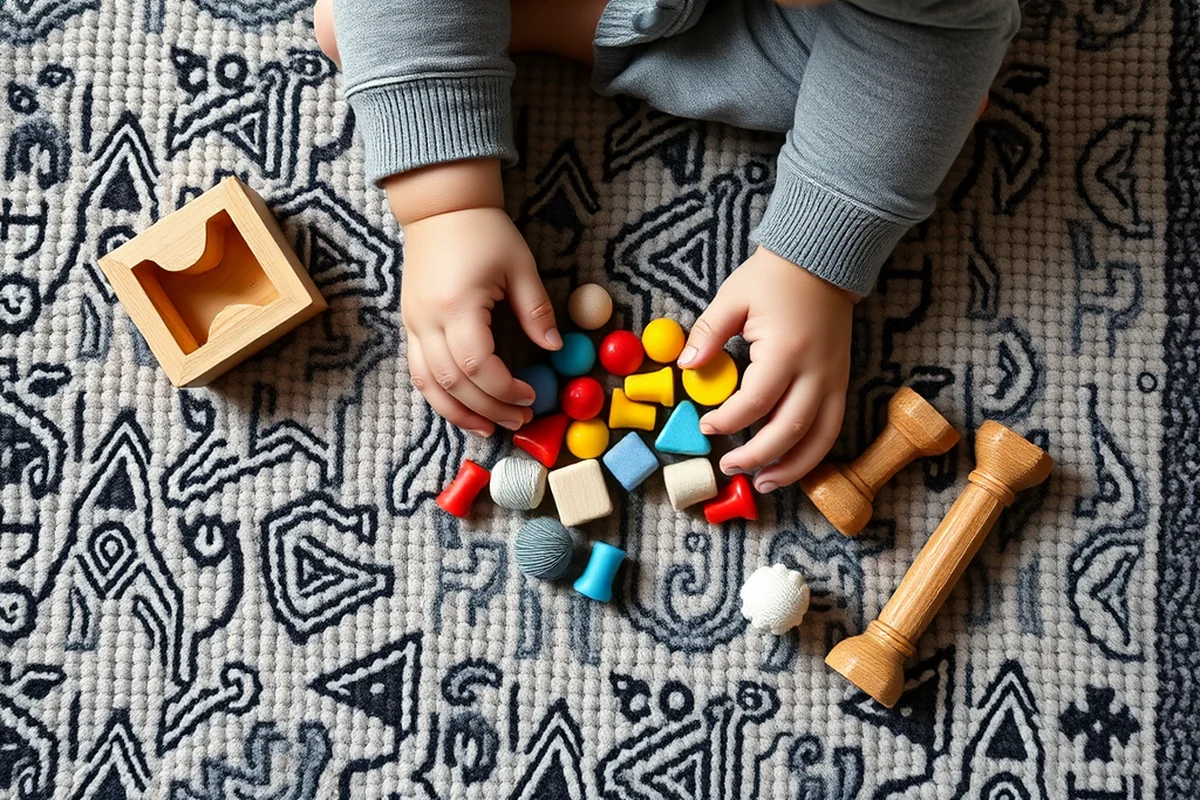
I’ve found that setting up a small space in the living room and playing my phone’s music playlist is a hit with my daughter. She loves dancing and moving around, and it’s a great way to burn off energy. I’ve noticed that after a session of music and movement, she’s more calm and focused for the rest of the day.
One of my favorite songs is ‘Wheels on the Bus’ because it has a repetitive rhythm that my daughter can easily follow. I’ve also used simple movements, like clapping or stomping, to make the activity more interactive. It’s a low-effort, high-impact activity that we both enjoy.
I’ve found that music and movement time can be done in just a few minutes and is a great way to bond with your toddler. It also helps with rhythm, coordination, and emotional expression.
Related: Toddler activities budget ideas mistakes to avoid
Quick Art Projects with Natural Materials
I once gathered leaves, sticks, and rocks from our backyard and used them to create a simple nature collage on a piece of cardboard. My daughter loved picking out different items and placing them in a pattern. It was a great way to introduce her to the concept of art and to appreciate the beauty of nature.
I found that using natural materials encourages creativity and helps your toddler connect with the environment. It’s also a good way to teach them about colors, shapes, and textures. I’ve noticed that my daughter is more curious and observant when we use natural materials in our activities.
I’ve found that these quick art projects can be done in just a few minutes and still be meaningful. They’re a great way to keep your toddler engaged and learning without the need for expensive art supplies.
🌿 Gentle Toddler Activities
Focus on low-energy, relaxing activities like reading, gentle music, and soft sensory play.
⚡ Fast-Track Toddlers
For busy parents, short, high-energy activities like obstacle courses or dance parties keep toddlers engaged quickly.
✈️ Travel/away-from-home
Use items like paper, crayons, and small toys to create quick, portable activities on the go.
👯♀️ Multiples
Choose activities that can be done simultaneously with more than one child, like shared art or music time.
🔄 Regression Reset
Use familiar, comforting activities like storytime or sensory play to help a toddler who's going through a developmental phase.
| The mistake | Why it happens | The fix |
|---|---|---|
| Using too many materials at once | This can overwhelm your toddler and make the activity less effective. | Stick to a few simple items and introduce new ones gradually. |
| Forcing the activity | If your toddler isn’t interested, it can lead to resistance and frustration. | Let them lead the way and be flexible with the activity. |
| Ignoring the child’s interest level | Not paying attention to their engagement can lead to a missed opportunity for learning and connection. | Watch for signs of interest or disinterest and adjust the activity accordingly. |
| Not cleaning up after the activity | Leaving a mess can be a distraction and may lead to unsafe situations. | Always take a few minutes to clean up after the activity, even if it’s quick. |
Related: Toddler activities budget ideas for small spaces
Quick Toddler Activities Ideas
Related: Toddler activities budget guide
DIY Pretend Play with Household Items
I’ve found that my toddler loves pretend play, and it’s easy to create a mini theater or kitchen using items around the house. One day, I used a cardboard box as a pretend playhouse, adding a blanket as a roof and a plastic bowl as a teapot. She immediately began acting out stories with her stuffed animals, which boosted her language development and imagination. This kind of play doesn’t require expensive toys and can be done in just a few minutes.
I often gather a few items like measuring cups, pots, and spoons to set up a pretend kitchen. My toddler loves pretending to cook, and I’ve noticed her vocabulary expanding as she says words like 'stir,' 'pour,' and 'bake.' It’s also a great way to introduce concepts like colors, shapes, and even counting as she measures out 'ingredients.' I’ve even used a cardboard box as a cash register for a pretend grocery store, which she enjoys playing with for hours.
The beauty of this activity is its flexibility—it can be adapted to any theme or story my toddler is interested in. I’ve seen her create a 'dentist office' using a stool and a flashlight, or a 'construction site' with blocks and a toy bulldozer. It’s not only fun but also supports social-emotional learning as she practices taking turns and pretending to be different characters. And the best part? It costs almost nothing, using items I already have at home.
Nature Scavenger Hunts in the Backyard
Take your toddler on a short scavenger hunt in your yard to explore textures, colors, and shapes.
On a sunny afternoon, I grabbed a small basket and a list of items like 'a smooth rock,' 'a leaf with a hole,' and 'a flower with five petals.' My toddler ran around the yard, digging in the dirt and picking up sticks, which turned into a learning experience about nature. I made it a game by giving her a token for every correct item she found, which kept her motivated and engaged for about 20 minutes. This activity is perfect for burning energy while fostering observation skills.
I often use a timer for these hunts, setting it for 10 minutes to keep it short and sweet. After collecting items, we sit together and talk about what we found — 'This leaf is green, just like the grass!' or 'This rock is rough, just like the bark on the tree!' These simple conversations help build language and cognitive skills. It's amazing how much learning can happen during a short walk in the yard.
I also like to vary the scavenger hunt themes, such as 'find things that are round' or 'find things that are soft.' This keeps the activity fresh and challenges my toddler's thinking in different ways. The best part is that I don’t need any special equipment — just a basket, a few minutes, and a curious toddler. It's a low-cost, high-impact way to spend quality time together while encouraging exploration and discovery.
Common Questions
How long should I spend on these quick toddler activities?
What if I don’t have any special materials?
How do I know if my toddler is learning from these activities?
Can I do these activities with more than one child?
References
Cite this guide
Toddlerwhirl (2026). Quick Toddler Activities Ideas. https://toddlerwhirl.com/quick-toddler-activities-ideas/
Feel free to cite or share this guide.