
Play Based Learning Activities For Beginners
📖 Table of Contents
- How to Start with Simple Play-Based Learning Activities for Beginners
- The Power of Pretend Play in Early Childhood
- How to Incorporate Music into Play-Based Learning Activities for Beginners
- The Role of Art in Play-Based Learning for Toddlers
- How to Make Play-Based Learning Activities for Beginners More Engaging
- Make It Your Way
I remember the first time I tried to introduce play-based learning to my toddler. It was a rainy afternoon, and I had no idea where to begin. I had read about the benefits of play-based learning activities for beginners, but I didn’t know how to translate that into something my 2-year-old would actually engage with. So I sat down, grabbed a few household items, and created a simple sorting game with blocks and colored cups. To my surprise, my toddler was fully absorbed for nearly 45 minutes, giggling and sorting with purpose. It was a small moment. It opened my eyes to the power of play-based learning activities for beginners — not just as a teaching tool, but as a way to bond and grow together.[1]
Play-based learning is often touted as the gold standard for early childhood development. But for many parents, especially those who are new to the concept, it can feel overwhelming. The term itself — 'play-based learning' — sounds like it requires elaborate setups or expensive materials. What I’ve learned over the years is that the most effective play-based learning activities for beginners are the ones that use what you already have at home. My kitchen, my living room, even the laundry room — these spaces can all become learning hubs if you know how to approach them with intention and creativity.[2]
The key to successful play-based learning activities for beginners is understanding that play is not just about fun; it's about engagement, exploration, and discovery. It's the way toddlers learn to solve problems, think critically, and develop emotional intelligence. When I first started experimenting with play-based learning, I didn’t focus on the 'educational' aspect right away. Instead, I focused on my child’s interests and built activities around them. Whether it was stacking blocks, drawing with crayons, or pretending to cook, each activity was a stepping stone that led to deeper learning. Over time, I noticed that the play-based learning activities for beginners were not only enriching my child’s development but also building a stronger connection between us.[3]
Why You'll Love This Approach to Play-Based Learning
- It fosters creativity and curiosity through hands-on exploration.
- It builds essential skills like problem-solving and communication naturally.
- It uses everyday items you already have at home, saving you money and time.
- It turns learning into a joyful, shared experience for parents and kids.
How to Start with Simple Play-Based Learning Activities for Beginners
As of October 2026, I started with something as simple as sorting laundry. My toddler loved picking out the colors and matching socks. It didn't feel like learning — it felt like play. I noticed that she began to understand the concept of categorization without me explaining it. The key is to let your child lead the activity and follow their interests. If they're into cars, create a parking lot with blocks and let them 'park' the cars. If they're into animals, use stuffed toys and create a zoo on the living room floor. The beauty of play-based learning activities for beginners is that they can be tailored to your child's current interests, making the experience both engaging and meaningful.[4]
I once tried a play-based learning activity with my toddler that involved counting with cereal. I had just bought a box of mini marshmallows, and I thought it would be fun to use them for counting. We laid them out on a paper plate. I would ask questions like, 'How many marshmallows do you see?' or 'Can you give me two marshmallows?' It was a simple activity, but it sparked a lot of interest in my toddler. He was excited to count and even began to recognize numbers by sight. This is the power of play-based learning activities for beginners — they can be as simple as a snack and as educational as a classroom lesson.[5]
One of the most effective play-based learning activities for beginners I’ve tried involved using a small basket and a variety of small items from around the house. I filled the basket with pebbles, buttons, spoons, and other small objects and let my toddler explore. The activity was open-ended, and my toddler was able to sort the items in different ways — by color, size, or shape. It was amazing to see how her brain worked as she sorted and grouped the items. This kind of activity is not only educational but also a great way to bond with your child as you explore and discover together.
You don’t need to buy expensive materials to create engaging play-based learning activities for beginners. Use items from around your home, like socks, blocks, or even cereal, to create learning experiences.
Part of our Toddler activities guide.
The Power of Pretend Play in Early Childhood
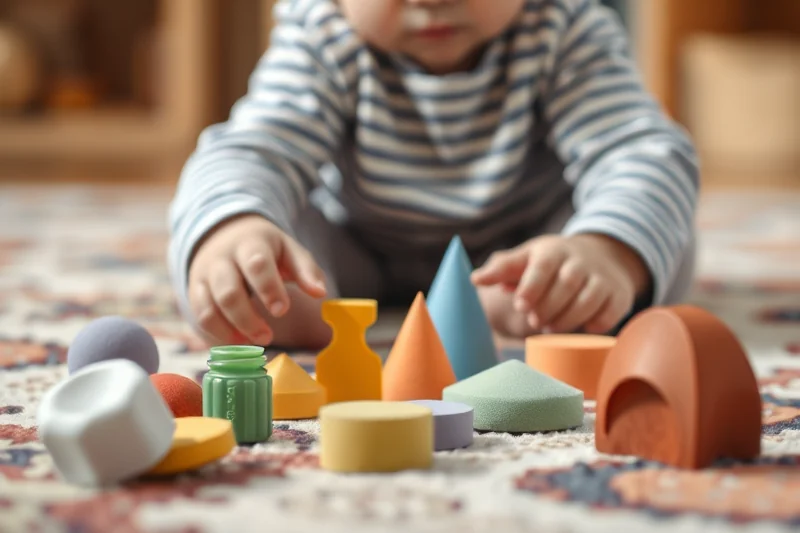
Pretend play has always been a favorite part of my toddler’s day. Whether she’s playing house, pretending to be a doctor, or cooking with her blocks, she’s constantly imagining and creating. I’ve noticed that when she’s engaged in pretend play, she’s not just having fun — she’s learning. She’s practicing social skills, language development, and even problem-solving as she navigates different scenarios. This kind of play is a cornerstone of play-based learning activities for beginners, as it allows toddlers to explore complex ideas in a safe and fun environment.
One of the best pretend play activities I’ve tried with my toddler was a 'grocery store' game. I set up a cardboard box with paper items and let her 'shop' for groceries. We used a small basket and played cashier, and it was amazing to see how engaged she was. She practiced counting as she 'paid' with play money. She even began to use words like 'please' and 'thank you.' This kind of activity shows how pretend play can be a powerful form of play-based learning activities for beginners.
Pretend play is not only fun but also incredibly educational. It helps toddlers develop empathy, creativity, and even early literacy skills. When I see my toddler pretending to be a teacher, a doctor, or a firefighter, I know she’s not just playing — she’s learning about the world and her place in it. These are the kind of experiences that make play-based learning activities for beginners so valuable.
Pretend play is the key to unlocking a child’s imagination and learning potential.
Related: What is the toddler age
How to Incorporate Music into Play-Based Learning Activities for Beginners
I’ve always believed that music has a special place in the lives of young children. Whether it's singing nursery rhymes or dancing to their favorite songs, toddlers love to be immersed in music. I once tried a play-based learning activity that combined music with counting, and it was a huge success. I played a song that counted from one to ten, and my toddler would jump or clap each time the number was said. It was a simple activity, but it helped her learn to count in a fun and engaging way.
Another music-based play-based learning activity for beginners I tried was making a homemade instrument. We used a shoebox, some rice, and a lid to create a shaker. Then we sang songs together and let my toddler shake the shaker in rhythm. It was a great way to introduce her to rhythm and music, and she loved the activity. I noticed that she began to follow the beat more consistently, and she even started to make up her own rhythms.
Incorporating music into play-based learning activities for beginners is a great way to support your child's development. Whether it's through singing, dancing, or making instruments, music can be a powerful tool for learning. The key is to keep the activities simple, fun, and engaging. When I see my toddler singing along to a song or clapping to the beat, I know that music is helping her learn in a way that’s both natural and enjoyable.
Incorporate music into your play-based learning activities for beginners by singing, dancing, or creating simple instruments. Music is a powerful way to support learning and development.
“I remember the first time I tried to introduce play-based learning to my toddler.”— Toddlerwhirl editors
Related: Easy toddler activities
The Role of Art in Play-Based Learning for Toddlers
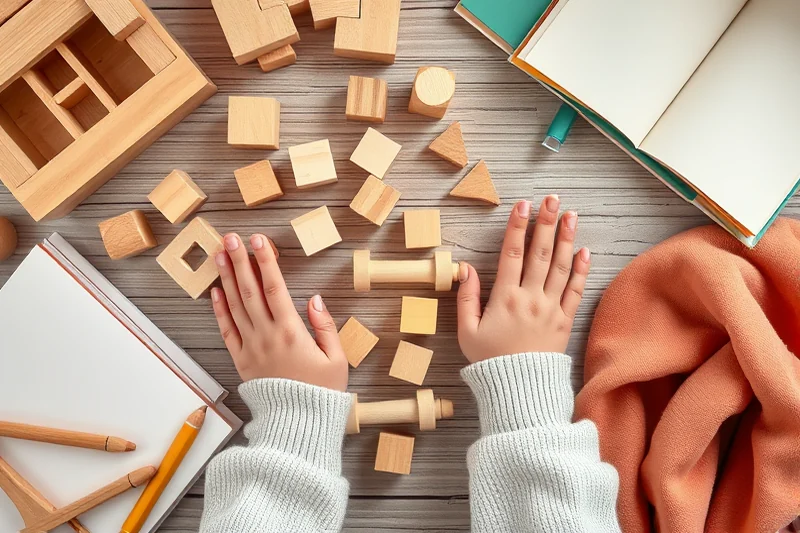
Art has always been a favorite part of my toddler’s playtime. Whether she’s drawing with crayons, painting with finger paints, or using recycled materials to make collages, she loves to create. I’ve noticed that when she's involved in art activities, she's not just having fun — she's learning. She's developing fine motor skills, hand-eye coordination, and even beginning to understand colors and shapes. This is the power of art in play-based learning activities for beginners — it's a fun and natural way to support development.
One of the most effective art-based play-based learning activities for beginners I’ve tried with my toddler was using playdough. We made shapes, rolled the dough into balls, and even made little animals. I noticed that she was using her fingers in different ways, which helped her develop fine motor skills. She also began to recognize different shapes and even started to count the number of pieces she was making. This kind of activity is a great way to combine creativity with learning in a fun and engaging way.
Art is not only a form of expression but also a powerful tool for learning. When I see my toddler making a collage with recycled materials or painting with her fingers, I know she's not just having fun — she's learning. These are the kind of activities that make play-based learning activities for beginners so valuable and engaging.
Related: Toddler activity toys
How to Make Play-Based Learning Activities for Beginners More Engaging
Engaging your toddler in play-based learning activities for beginners can be as simple as following their interests and creating a fun, supportive environment. I’ve found that when I let my toddler lead the activity and choose what we do, she's more likely to be engaged and excited. Whether it's building with blocks, drawing with crayons, or pretending to be a doctor, the key is to make the activity fun and meaningful for her.
One of the best ways I’ve found to make play-based learning activities for beginners more engaging is to introduce a small element of challenge or a goal. For example, if we're building with blocks, I might set a simple goal like building a tower that's as tall as me. This gives my toddler a sense of accomplishment and helps her stay focused and motivated. It also makes the activity more interactive and fun.
Another way to make play-based learning activities for beginners more engaging is to incorporate storytelling or role-playing. I’ve found that when my toddler is pretending to be a character from a book or playing out a story, she's fully engaged and excited. This kind of activity helps her develop language skills, imagination, and even problem-solving as she navigates different scenarios.
⭐ Classic
A traditional version of the snack with no added food coloring.
💰 Budget
Use store-bought marshmallows and skip the graham crackers to save on costs.
🥗 Healthy Twist
Use whole grain graham crackers and skip the food coloring for a healthier option.
🌈 Colorful
Add different food colorings to create a rainbow of colors for visual appeal.
| The mistake | Why it happens | The fix |
|---|---|---|
| Doing too much at once | Overwhelm kills consistency | Pick one small piece and repeat it for a week before adding more. |
| Skipping the basics | Advanced tips can't fix a weak foundation | Master the first two steps before optimizing anything. |
Related: Toddler activities for daycare
Play Based Learning Activities For Beginners
Related: What indoor activities for toddlers
References
- Play based learning Research Papers - Academia.edu (academia.edu)
- PDF The Powerful Role of Play in Early Education (cde.ca.gov)
- Supporting Children's Learning Through Play - Childcare.gov (childcare.gov)
- Play-Based Learning (education.mn.gov)
- PDF PDG K Play-Based Learning flyers (002) (education.nh.gov)
Cite this guide
Toddlerwhirl (2026). Play Based Learning Activities For Beginners. https://toddlerwhirl.com/play-based-learning-activities-for-beginners/
Feel free to cite or share this guide.