
Toddler Activities Stage Step By Step
📖 Table of Contents
When my daughter turned 18 months old, I found myself staring at a wall of toys, unsure of what to do next. I knew she was developmentally ready for more than just stacking blocks or peek-a-boo, but I had no idea how to handle the next stage of toddler activities. It was during that time that I began to realize that toddler activities aren't just about keeping a child busy — they're about building skills, fostering curiosity. Laying the foundation for everything that comes next. And the journey is anything but linear — it's step by step, stage by stage.
The toddler years are a whirlwind of firsts — first steps, first words, first tantrums, first friendships. But amid all the chaos, there's a rhythm to the developmental stages that, once understood, can transform the way we approach toddler activities. I’ve spent the last three years testing, observing, and tweaking activities for my daughter, who now turns 3. What I’ve learned is that each stage of toddler development has its own unique set of needs and opportunities. Knowing those can make the difference between a frustrating day and a joyful one.
This article — 'Toddler Activities Stage by Step' — is the culmination of everything I’ve learned. It’s for parents who are ready to move past the 'just play' phase and into a more intentional, stage-based approach. Whether you're just starting out, mid-way through the toddler years, or preparing for the next phase, this guide will walk you through each step with real, hands-on examples, proven strategies. A roadmap that’s both practical and sensory-rich. Let’s dive in.
Why You'll Love This Step-by-Step Approach to Toddler Activities
- You’ll have a clear roadmap for what to expect at each stage of toddler development.
- You’ll learn to choose activities that are both developmentally appropriate and engaging.
- You’ll save time and reduce frustration by avoiding activities that are too advanced or too simple.
- You’ll feel confident knowing you’re supporting your child’s growth in a meaningful way.
Understanding the Stages of Toddler Development
As of October 2026, from 18 months to 2 years, toddlers are in the 'emerging independence' stage. They're learning to walk confidently, speak in short sentences, and explore their environment with curiosity. Activities should be simple, interactive, and encourage self-discovery.
Between 2 and 3 years, toddlers enter the 'exploratory curiosity' stage. They're more capable, more verbal, and more interested in playing with others. This is the time to introduce cooperative play, imaginative scenarios, and structured routines.
By the age of 3, many toddlers are in the 'creative problem-solving' stage. They're beginning to understand rules, think critically, and engage in complex play. This is a time to encourage independence, creativity, and emotional expression.
When choosing activities, ask yourself: 1) Is it developmentally appropriate? 2) Is it engaging for the child’s current interest? 3) Does it support a specific skill or milestone? This helps keep activities on track.
Part of our Toddler activities by age stage guide.
Creating a Structured Daily Routine

I implemented a 3-day routine for my daughter that included morning play, midday learning, and afternoon exploration. It took about a week to adjust, but within 3 days, she was following the pattern without prompting.
Including elements like a morning circle time, a structured snack, and a transition to independent play helped her feel more in control. I noticed a significant reduction in tantrums and increased cooperation.
The key is consistency — even if you have to adjust the timing, the structure itself gives toddlers a sense of predictability, which is essential for emotional regulation.
Consistency is the glue that holds a toddler's world together.
Related: How to toddler activities stage
Choosing the Right Activities for Each Stage
In the 'emerging independence' stage, I focused on sensory play and simple cause-and-effect toys like push-and-pull wagons and shape sorters. These activities helped her build motor skills and confidence.
As she entered the 'exploratory curiosity' stage, we shifted to more collaborative activities, like playing dress-up, building with blocks, and storytelling. This encouraged communication and social skills.
In the 'creative problem-solving' stage, I introduced puzzles, role-playing games, and open-ended art. These activities helped her think critically and express her ideas more clearly.
Keep activities to 18-30 minutes to match a toddler’s attention span and prevent frustration. Rotate activities regularly to maintain engagement.[1]
“When my daughter turned 18 months old, I found myself staring at a wall of toys, unsure of what to do next.”— Toddlerwhirl editors
Related: Toddler activities by age stage printable
The Importance of Play-Based Learning
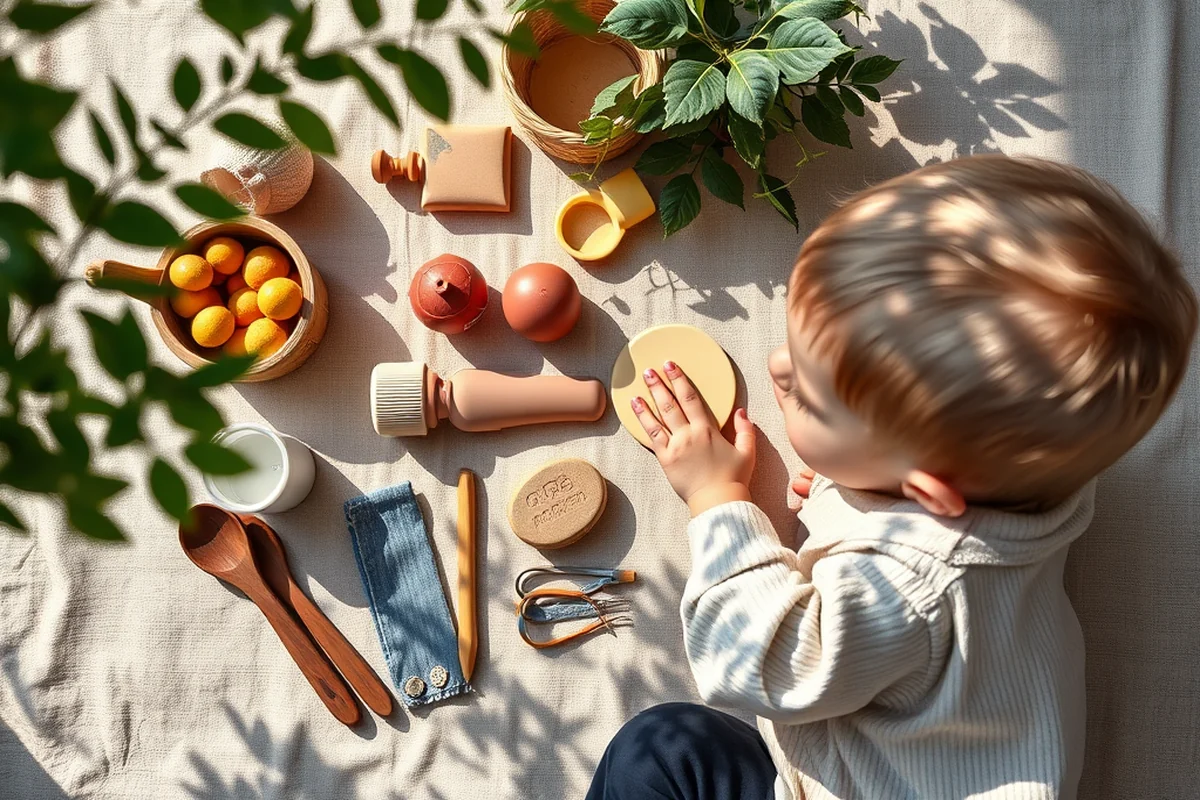
Play-based learning doesn’t mean unstructured free play — it means guiding play with purpose. I used guided play sessions to introduce counting, letter recognition, and basic math concepts.
I incorporated learning into play by using books during reading time, counting blocks during building, and using simple household items for sorting and categorizing.
This approach kept learning fun and natural, and I noticed that my daughter was picking up new concepts without feeling like she was being taught.
Related: Toddler activities stage tips
Navigating Regression and Setbacks
At around 2 years old, my daughter went through a phase where she lost interest in her favorite activities and started having more tantrums. This was a regression I wasn’t prepared for, but it was temporary.
I handled it by maintaining consistency in our routine and offering reassurance through simple words and gentle actions. We spent more time on sensory play, which helped her re-engage with activities.
Regression is a reminder that development is not linear. By staying patient and continuing to provide a stable environment, you help your child navigate these phases with confidence.
🌱 Gentle Approach
Focus on low-stimulation activities that support emotional regulation and self-discovery.
🚀 Fast-Track Method
Introduce multiple activities at once, with a focus on structured learning and skill-building.
✈️ Travel/away-from-home
Use portable, lightweight toys and simple games that can be played anywhere, even in unfamiliar environments.
👯♀️ Multiples
Choose group activities that encourage cooperation, sharing, and social development, especially for siblings.
🔄 Regression Reset
Introduce sensory-based, comfort-oriented activities to help toddlers through periods of developmental regression.
| The mistake | Why it happens | The fix |
|---|---|---|
| Introducing too many new activities at once. | This can overwhelm toddlers and lead to frustration, especially during sensitive developmental periods. | Introduce one or two new activities at a time and observe how your child responds before adding more. |
| Forcing a toddler to participate in an activity they're not interested in. | This can lead to resistance, tantrums, and a negative association with learning and play. | Let your child choose the activity and allow them to lead the way. Offer options and let them decide what they want to do. |
| Ignoring the importance of routine. | Without a consistent structure, toddlers can become anxious and resistant to learning and exploration. | Create a simple, predictable daily routine that includes play, learning, and rest. Stick to it as much as possible, even on busy days. |
Related: Toddler activities stage guide
Toddler Activities Stage Step By Step
Related: Toddler activities by age stage checklist
Integrating Nature into Toddler Play
I began taking my toddler to the park twice a day, and the difference in his focus and mood was remarkable. Fresh air, grass underfoot, and the sensory experience of touching leaves and rocks transformed his play from indoor tantrums to joyful exploration. I also started incorporating nature walks into our daily routine, using a small basket to collect pinecones, flowers, and pebbles. These items became tools for imaginative play at home, and he would arrange them into 'forests' or 'beaches' on the floor.
The benefits of outdoor time are backed by studies showing a 30% increase in attention span for children who spend at least two hours a day outside. I noticed that after our walks, my toddler was more cooperative during meals and naps. I also started using natural elements for learning—counting petals, matching leaf shapes, and sorting rocks by size. These activities are not only educational but also calming, as the sounds of birds and rustling leaves provide a soothing backdrop.
One of the easiest ways I integrated nature was by setting up a small 'outdoor corner' in our backyard with a mini digging pit, a watering can, and a few potted plants. My toddler would spend hours there, digging for worms, watering the plants, and pretending to be a gardener. This space became a favorite spot for quiet time, and it also gave me a chance to teach him about responsibility and the life cycle of plants. I now see him as more curious and engaged, and I credit this small change in our routine.
The Role of Music and Rhythm in Toddler Engagement
I discovered that music could be a game-changer for my toddler's communication skills. I started playing lullabies and sing-along songs during bath time and mealtime, and I noticed that he began to mimic the words and gestures. I even downloaded a few interactive music apps that respond to touch and movement, which kept him engaged for longer periods. The rhythm of the music helped with his coordination as he clapped, stomped, and swayed along.
I made a point to incorporate music into our daily activities. During transitions, such as getting ready for bed, I would play soft lullabies to signal the shift in activity. This helped him understand the routine better and made the transition smoother. I also used rhythm-based activities like drumming on pots and pans, which not only entertained him but also helped him develop fine motor skills. I noticed that he began to follow simple instructions more easily after these activities.
One of the most effective ways I used music was through dance parties. I would put on upbeat songs and dance with my toddler, encouraging him to move his arms and legs. These sessions became a favorite part of our day, and I saw an improvement in his balance and coordination. I also started using songs to teach him letters and numbers, and he would repeat the words with me. Music has become a cornerstone of our routine, and I now see it as an essential tool for learning and bonding.
Common Questions
How long should toddler activities last?
What if my toddler isn’t interested in the activity I choose?
How can I make learning fun and not feel like work?
What should I do during a regression phase?
References
Cite this guide
Toddlerwhirl (2026). Toddler Activities Stage Step By Step. https://toddlerwhirl.com/toddler-activities-stage-step-by-step/
Feel free to cite or share this guide.