
Toddler Activities In San Antonio At Home
📖 Table of Contents
When my daughter turned two, I found myself in a whirlwind of toddler energy, constant movement, and a desperate need for activities that both entertained and educated her. I remember the day she asked, 'Mama, why do we have to leave the house to have fun?' — it was then that I realized the power of creating stimulating toddler activities in San Antonio at home. Our small apartment became a space for discovery, creativity, and connection, and I learned that even the simplest of setups could turn mundane moments into magical ones.[1]
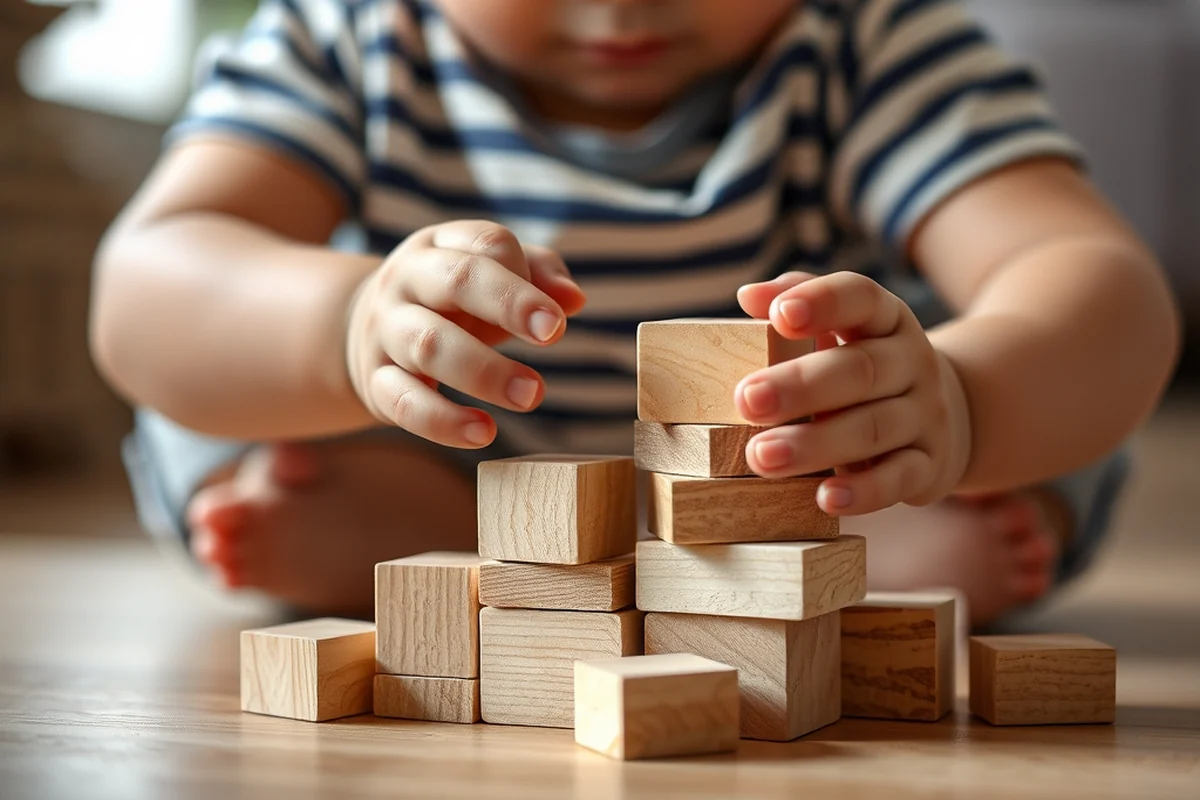
Setting up toddler activities in San Antonio at home didn't need to be extravagant. I discovered that with just a few thoughtful items and a willingness to get creative, we could turn our living room into a sensory playground or our kitchen into a science lab. We experimented with building blocks, painted with washable markers, and even tried making homemade playdough with just a few pantry staples. It wasn’t about the cost or the size of the space — it was about the joy of seeing my child's eyes light up when she discovered something new.[2]
Over time, I began to notice patterns in what worked best. For instance, using natural materials like leaves, stones, and pinecones from our backyard made our activities more engaging and educational. I also learned that setting a timer helped us manage play sessions and allowed me to focus on other tasks while still giving my daughter the attention she needed. These small but impactful changes made toddler activities in San Antonio at home not only possible but deeply rewarding for our family.[3]
Why You'll Love This Approach to Toddler Activities In San Antonio At Home
- Affordable and accessible: No need for expensive equipment or memberships.
- Educational and developmentally rich: Encourages learning through play.
- Flexible and customizable: Tailor activities to your child's interests and your available space.
- Bonding and interactive: Creates lasting memories while fostering parent-child connection.
The Power of Sensory Play at Home
As of October 2026, Sensory play is a cornerstone of toddler development, and it doesn’t require expensive toys — just a few safe, engaging materials and a curious child. I’ve found that using items like rice, beans, or water in a shallow container can be incredibly stimulating for a toddler. The squishy texture of rice or the cold, smooth feeling of water helps develop fine motor skills and hand-eye coordination. I often set up these activities on the floor to let my daughter move around freely and explore as much as she wanted.[4]
One of my favorite sensory activities was using a large mixing bowl filled with water and a few drops of food coloring. I let my daughter dip her fingers in and watch the colors swirl. This was not only fun but also a great way to teach her about colors and mixing. I noticed her asking more questions about what happened when the colors changed, which sparked a natural curiosity and a love for discovery.[5]
Another time, I filled a tray with different textures like sand, cotton balls, and dried pasta. She loved the contrast between the gritty sand and the soft cotton balls. This activity helped her understand and describe different sensations, which is a crucial part of language development. I found that keeping these sensory bins simple and easy to clean was key to making them a regular part of our routine.
Instead of buying specialty sensory materials, use what's already in your kitchen or around the house. Rice, pasta, or even shredded paper can be great substitutes for commercial sensory bins.
Part of our Toddler activities guide.
Creative Play with Everyday Items
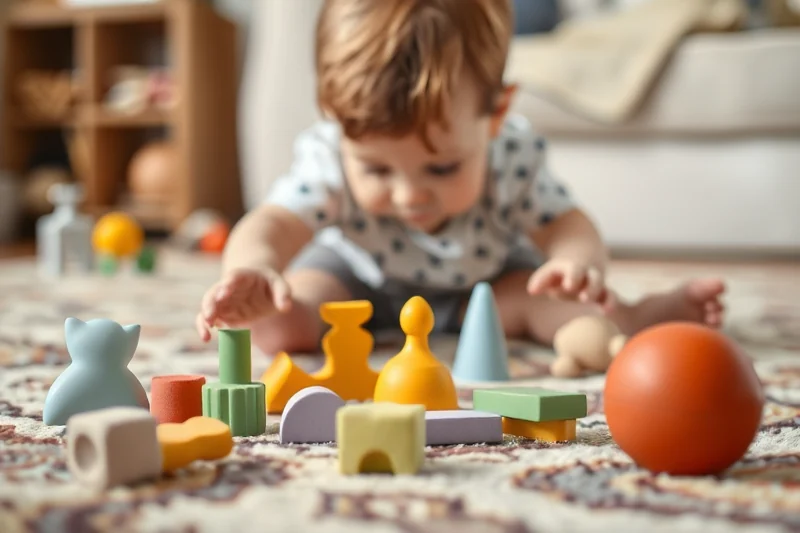
Simple household items can be turned into powerful tools for creative play, transforming ordinary moments into extraordinary learning opportunities. I’ve used paper plates, markers, and glue to create art projects that my daughter was proud to show off. These activities not only kept her entertained but also helped develop her fine motor skills and imagination.
One of my favorite creative play ideas was using paper plates as canvases for finger-painting. I filled the plates with different colors of washable paint and let her experiment with mixing and creating her own designs. It was messy, but the results were beautiful, and she loved showing her artwork to family members.
Another time, I used cardboard boxes to create a mini playhouse. My daughter loved pretending to be a chef in the kitchen box or a princess in the castle box. This type of imaginative play helped her develop social skills and storytelling abilities. I found that these projects were not only fun but also encouraged her to think critically and solve problems as she played.
Imagination has no limits — even a cardboard box can be a castle, a spaceship, or a jungle gym.
Related: Cheap toddler activities at home
Active Play and Movement at Home
Active play is essential for a toddler’s physical development and can be easily incorporated into daily life with a few simple setups and ideas. I’ve found that using a small trampoline in our living room or setting up a mini obstacle course with cushions and pillows is a great way to get my daughter moving. These activities help build strength, balance, and coordination while keeping her entertained.
One of my favorite setups was using a large blanket as a 'hill' and a couple of pillows as 'mountains' for her to crawl over. This was not only fun but also a great way to burn off energy and get her moving. I noticed that after these sessions, she was more focused and less fussy during other parts of the day.
Another time, I used a hula hoop to create a 'jumping game.' My daughter loved trying to jump through it, and it was a great way to work on her gross motor skills. I found that incorporating these types of active play sessions into our daily routine helped her stay more active and engaged throughout the day.
If you don’t have a trampoline, use a large mat or a soft carpet. You can turn any flat surface into a fun play area with a few simple items like pillows or blankets.
“When my daughter turned two, I found myself in a whirlwind of toddler energy, constant movement, and a desperate need for activities that both entertained”— Toddlerwhirl editors
Related: Diy toddler activities california
Learning Through Play with Educational Activities
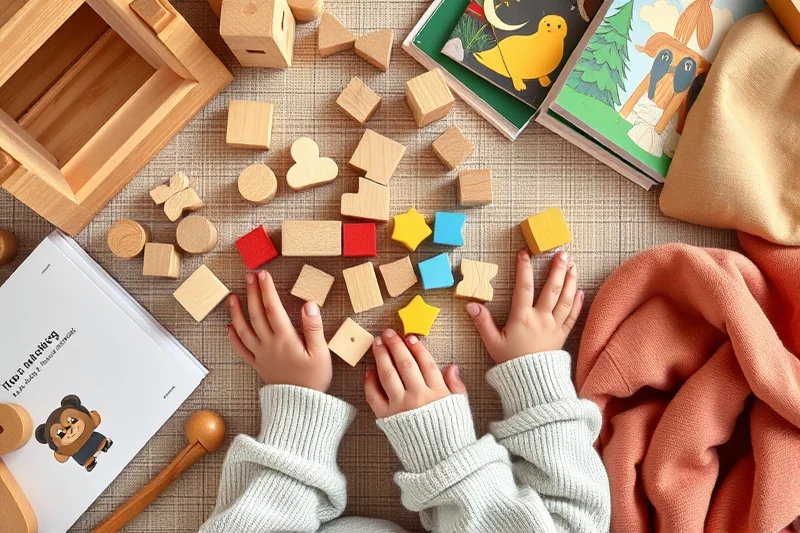
Educational activities can be seamlessly integrated into a toddler’s playtime, making learning both fun and effective. I’ve found that using simple toys like building blocks or puzzles can help develop problem-solving skills and hand-eye coordination. These activities are also great for teaching colors, shapes, and numbers in a natural and engaging way.
One of my favorite educational activities was using magnetic letters on the fridge to spell out simple words. My daughter loved tracing the letters with her finger and saying them out loud. This was a great way to introduce her to the alphabet and phonics in a fun and interactive way.
Another time, I used a set of counting blocks to help her learn numbers and basic math concepts. We would count how many blocks were in each pile and compare them. This was not only a great learning experience but also a way for her to practice counting and comparing quantities.
Related: Toddler activities las vegas alternatives
Nature-Inspired Play in the Home
Bringing the outdoors inside with nature-inspired play can be a wonderful way to connect your toddler with the natural world. I’ve found that using items like leaves, rocks, and pinecones from our backyard can be incredibly engaging for a toddler. These activities help develop sensory skills and a love for the outdoors, even when you’re inside.
One of my favorite nature-inspired activities was creating a 'nature bin' with different items we collected from our backyard. My daughter loved exploring the textures and colors of the leaves, rocks, and pinecones. This was a great way to teach her about different types of plants and natural materials while encouraging her to ask questions and make observations.
Another time, I used a small tray filled with water and a few leaves to create a mini 'pond.' My daughter loved watching the leaves float and sink. This was not only fun but also a great way to introduce her to simple scientific concepts like buoyancy and water displacement.
⭐ Classic
The basic recipe with flour, salt, and oil — perfect for any toddler.
💰 Budget
A version that skips the food coloring and uses fewer ingredients for a more affordable option.
⚡ Extra-Fast
A quicker version that uses pre-made dough or commercial playdough for convenience.
✨ Depth
An advanced version that includes natural items like leaves and flowers for a sensory-rich experience.
🥗 Light
A version that uses less oil and more flour for a lighter, easier-to-clean playdough.
| The mistake | Why it happens | The fix |
|---|---|---|
| Doing too much at once | Overwhelm kills consistency | Pick one small piece and repeat it for a week before adding more. |
| Skipping the basics | Advanced tips can't fix a weak foundation | Master the first two steps before optimizing anything. |
What You'll Need tap to check off
- 1 lb All-purpose flour
- ½ cup Salt
- Water to taste
- ½ cup Vegetable oil
- ½ cup Baking soda
- 2 teaspoons Food coloring (optional)
Method tap a step when done
- In a large mixing bowl, combine the flour, salt, baking soda, and vegetable oil. Stir until well combined.
- Gradually add water, one tablespoon at a time, while stirring continuously until a dough forms.
- Knead the dough on a floured surface for about 5 minutes until it becomes smooth and elastic.
- Divide the dough into small portions and shape them into balls.
- If desired, add food coloring to each portion and knead it in until the color is evenly distributed.
- Store the playdough in an airtight container to keep it soft and pliable.
Key Facts
Related: Minimalist toddler activities tips
Toddler Activities In San Antonio At Home
Related: Montessori at home activities ideas
Common Questions
What are some easy toddler activities in San Antonio at home that don't require any special equipment?
How can I incorporate educational activities into my toddler's playtime?
What are some creative ways to use the space I have at home for toddler activities?
How can I encourage my toddler to be more active at home?
References
- Science Activities for Kids of All Ages - Exploratorium (exploratorium.edu)
- Fun and Learning for Parents and Children: An Activities ... - ECLKC (headstart.gov)
- Early Childhood Intervention Services - Texas Health and Human Services (hhs.texas.gov)
- CDC - Infant/Toddler Program - Mt. San Antonio College (mtsac.edu)
- Program: Early Childhood Studies, A.A.S. - San Antonio College - Acalog ... (mysaccatalog.alamo.edu)
Cite this guide
Toddlerwhirl (2026). Toddler Activities In San Antonio At Home. https://toddlerwhirl.com/toddler-activities-in-san-antonio-at-home/
Feel free to cite or share this guide.