
Toddler Activities Stage For Beginners
📖 Table of Contents
When my daughter turned 18 months, I felt like I'd been dropped into a new universe—one where toddler activities stage for beginners was no longer a vague concept but a daily reality. I'd read countless lists of 'things to do with toddlers,' but none of them prepared me for the chaos, the creativity, or the sheer unpredictability of a toddler's world. It wasn't until I started experimenting with low-cost, low-effort activities that I realized how much of the stress came from trying to 'do it all.'
The toddler activities stage for beginners is a time of rapid development and shifting interests, and it's easy to feel overwhelmed. I remember one morning when I tried to plan a 'structured' play session with blocks and puzzles, only for my daughter to be more interested in chasing her dog around the house. That taught me the importance of flexibility, and of meeting toddlers where they are—literally and figuratively. I began to see that the best toddler activities stage for beginners were the ones that felt like play, not work.
Now, I have a system of activities that work for our family, and I'm constantly learning and adapting. I've tested dozens of ideas, from sensory bins to simple art projects, and I've learned which ones stick and which ones are just a flash in the pan. The key, I've found, is to focus on engagement, not perfection. Whether you're a first-time parent or someone navigating a new stage of toddlerhood, this article will give you practical, real-world strategies for toddler activities stage for beginners.
Why You'll Love This Guide to Toddler Activities Stage for Beginners
- Real-world tested strategies that work for busy parents
- Low-cost and low-effort ideas that keep toddlers engaged
- Tips for adapting activities to different stages and moods
- A focus on play, not perfection—because toddlers don’t care about your checklist
Sensory Play: The Toddler’s Favorite Playground
As of October 2026, I first discovered the power of sensory play when I filled a bin with dried beans, a few plastic animals, and a small scoop. My daughter was mesmerized by the texture of the beans and the sound they made when dropped. It was the first time I saw her stay focused on an activity for longer than 3 minutes—something that felt like a miracle at the time.
Sensory bins are easy to create and can be tailored to your toddler's interests. You can fill them with rice, pasta, or even shredded paper, and then add small items for them to find. I've used them to introduce colors, shapes, and even counting concepts in a way that felt natural and fun.
One of the best parts of sensory play is that it's adaptable. If your toddler is in a particularly energetic mood, you can add a few items that require movement, like balloons or a small ball to roll around in the bin. It's a simple way to keep their energy level in check while still encouraging exploration.
Fill a bin with items that reflect the season—leaves in fall, snowflakes in winter, or even flower petals in spring. It adds a fun, thematic twist to the activity.
Part of our Toddler activities by age stage guide.
Art Time: Messy and Magical
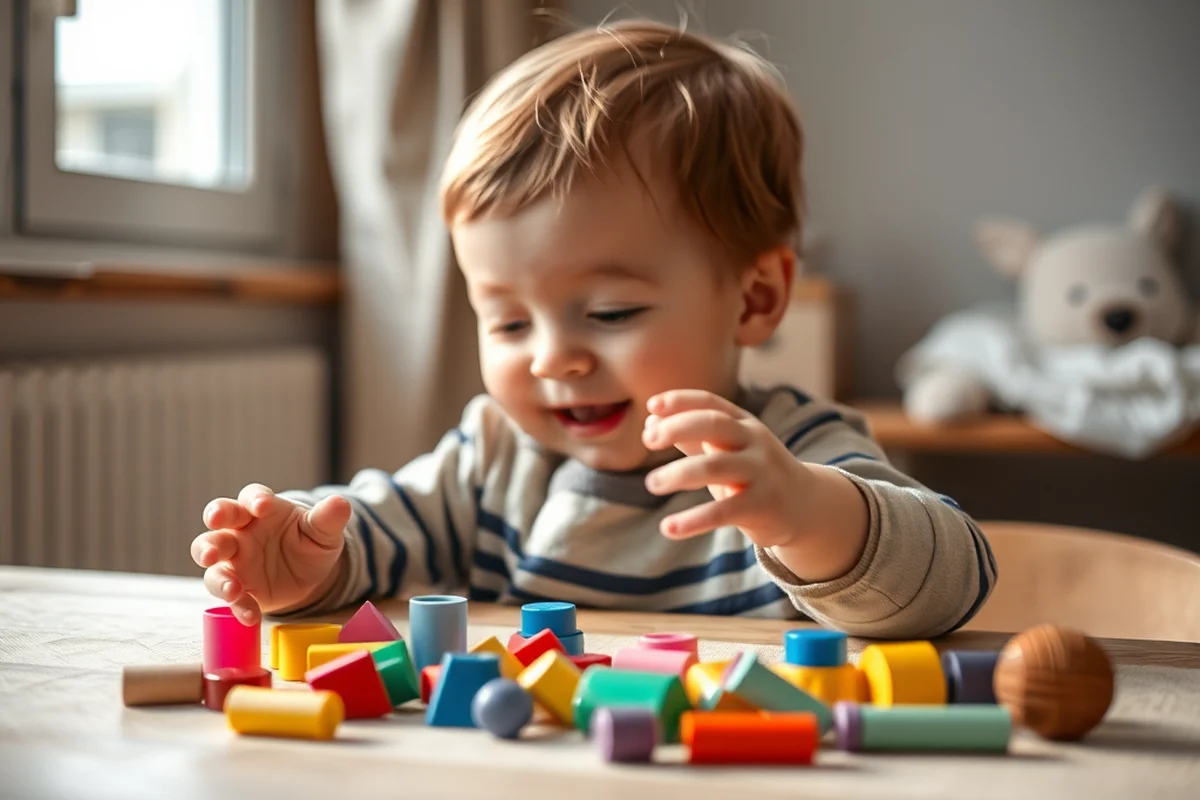
I remember the first time I let my daughter dip her fingers into a bowl of paint. The mess was epic, but the joy was immeasurable. She would spend 10 minutes just pressing her fingers into the paint and then wiping them on the table, creating a masterpiece that looked more like a war zone than a painting. And yet, I knew that this was the kind of freedom she needed.
Art time doesn't have to be fancy or expensive. I've used paper plates, crayons, and even the back of my hand as an 'eraser' to help clean up. I've also found that using washable paints and letting the mess happen is the best way to keep things fun and stress-free.
One of the most surprising things I've learned is how much a toddler can learn through art. My daughter began to recognize colors, develop fine motor skills, and even express her emotions through her artwork. It was a way for her to communicate in a way that felt safe and exploratory.
Art is the toddler's way of saying, 'I'm here.'
Related: Diy toddler activities stage
Movement Breaks: The Unsung Heroes of Toddler Time
I used to think that toddlers needed to be 'occupied' all the time, but I quickly learned that they also need to move. I started incorporating short movement breaks into our routine, and the difference was immediate. My daughter was more focused, calmer, and more engaged in other activities.
Simple movement breaks can be as easy as dancing to music, playing a game of 'Simon Says,' or even just letting your toddler run in place for a few minutes. I've found that these breaks are especially helpful when my daughter is transitioning from one activity to another, as it helps her release energy and refocus.
One of the best movement breaks we do is 'freeze dance.' I play music, and whenever the music stops, we all freeze. It's a fun way to manage energy and keep things light, and it's something that my daughter absolutely loves.
Schedule a movement break every 30 minutes to help your toddler reset and refocus. It's a small investment of time that can make a big difference in their mood and behavior.[1]
“When my daughter turned 18 months, I felt like I'd been dropped into a new universe—one where toddler activities stage for beginners was no longer…”— Toddlerwhirl editors
Related: Simple toddler activities by age stage
Simple Storytime: A Quiet Corner of Chaos
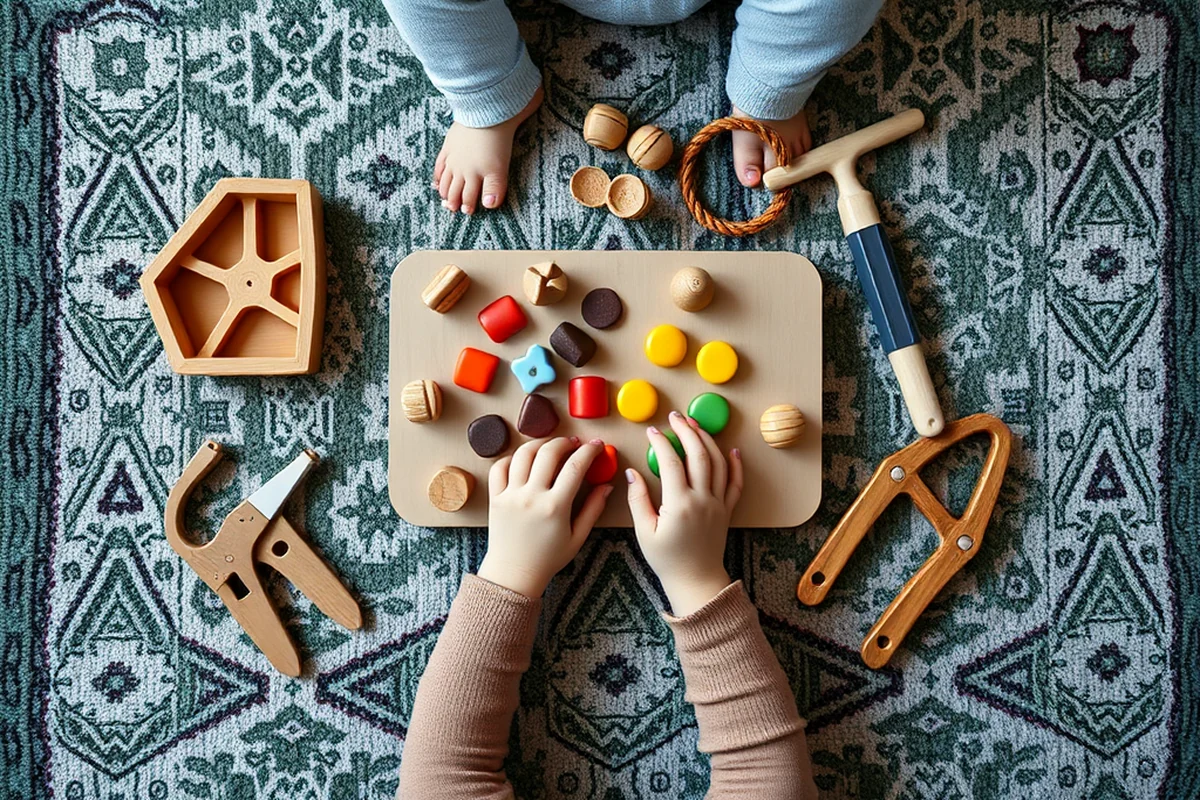
I used to think that storytime had to be a long, elaborate affair with soft lighting and a special reading nook. But I quickly learned that my toddler didn't care about the setting—she just wanted a book and my attention. Now, we read anywhere from the kitchen table to the back of the car.
I've found that even the simplest books can be engaging for toddlers. I've used board books with high-contrast images, books with flaps to lift, and even books that have a simple rhyme. I've also discovered that reading the same book over and over is perfectly normal and even beneficial for learning.
One of the most rewarding parts of storytime is the way it builds a bond between parent and child. I've seen my daughter begin to recognize words, point at pictures, and even mimic sounds from the book. It's a quiet, but incredibly powerful moment of connection.
Related: Best toddler activities stage
Learning Through Play: The Toddler's Favorite Classroom
I used to think that learning had to be structured and deliberate, but I've since realized that toddlers learn best through play. Whether it's stacking blocks, sorting shapes, or even playing with a doll, my daughter is absorbing information without even realizing it.
I've used simple toys to teach counting, colors. Even basic concepts like 'big' and 'small.' I've also discovered that playing with a toddler often means that they're learning from me as much as I'm teaching them. It's a two-way street of discovery and growth.
One of the most surprising things I've learned is how much a toddler can retain through play. My daughter, for example, has learned to count to 10 by simply playing with blocks and counting them out each time. It's a way of learning that feels natural and unforced.[2]
🧘 Gentle Approach
For parents who prefer low-stimulation, low-pressure activities that allow toddlers to explore at their own pace.
🚀 Fast-Track
For parents who need quick, easy-to-set-up activities that can be done in under 10 minutes.
✈️ Travel/On-the-Go
For parents who need portable, no-mess activities that work when you're away from home.
👯♀️ Multiples
For parents with more than one toddler who need activities that can be done with multiple kids at once.
🔄 Regression Reset
For parents who are navigating a toddler regression and need activities that can help rebuild engagement and calm.
| The mistake | Why it happens | The fix |
|---|---|---|
| Trying to force too much structure on a toddler. | Toddlers thrive on flexibility and play, not rigid schedules or expectations. | Be ready to pivot and adapt activities as needed, and prioritize fun over perfection. |
| Not cleaning up after activities. | Messiness can create stress and make it harder to move on to the next activity. | Set a clear cleanup routine and involve your toddler in the process. Make it a game or part of the activity. |
| Overloading your toddler with too many activities at once. | Too many choices or too much stimulation can overwhelm a toddler and lead to resistance. | Stick to one or two activities at a time, and allow your toddler to choose which ones they want to do. |
| Ignoring your toddler's cues for when they're done with an activity. | Toddlers may lose interest quickly, and ignoring their cues can lead to frustration or disengagement. | Be attentive to your toddler's body language and signals, and be ready to move on when they're ready. |
Related: Budget toddler activities stage
Toddler Activities Stage For Beginners
Related: Quick toddler activities stage
Common Questions
How do I keep my toddler engaged during activities?
What should I do if my toddler refuses to participate in an activity?
Can I use activities I already have around the house?
How often should I do these activities?
References
- Daily Schedules in Prekindergarten - Texas Education Agency (tea.texas.gov)
- Development and Milestones for Toddlers (1 - 3 Years) (michigan.gov)
Cite this guide
Toddlerwhirl (2026). Toddler Activities Stage For Beginners. https://toddlerwhirl.com/toddler-activities-stage-for-beginners/
Feel free to cite or share this guide.