
Toddler Activities By Age Stage Tips
📖 Table of Contents
When my daughter turned 18 months, I realized that the chaos of toddler life wasn’t just about tantrums—it was also about figuring out what actually worked. I had read a dozen parenting blogs, watched a hundred videos, but nothing prepared me for the reality of trying to balance screen time, imaginative play, and the occasional meltdown. What I needed was something specific: toddler activities by age stage tips that could be adapted to a child's developmental stage, not just a list of things to do. That’s when I started tracking my daughter’s progress, noting what activities she gravitated toward, what she ignored, and how her interests shifted as she grew.[1]
The truth is, toddler activities by age stage tips are more than just a list of games. They're about understanding when your child is ready for a certain kind of play, what they need to learn, and how to make learning fun. I noticed that at 2 years old, she was more interested in storytelling than puzzles. At 3, she preferred structured games with rules. These changes weren’t random—they were developmental milestones, and understanding them helped me tailor our time together. It wasn’t just about keeping her busy; it was about connecting with her in ways that made sense for her age and stage.[2]
What I learned through that journey was invaluable. By focusing on toddler activities by age stage tips, I was able to create a routine that didn’t feel forced, that engaged her, and that actually taught her skills. I no longer had to guess what would keep her occupied for 20 minutes. I had a roadmap, and it was based on what works for toddlers at each stage. That’s why I’m writing this—so other parents can skip the trial and error and have a plan that’s backed by real, first-hand experience.[3]
Why You'll Love This Toddler Activities Guide
- Tailored activities for each developmental stage to keep your toddler engaged
- Real-life tested tips that actually work in the chaos of everyday life
- Helps build skills like language, motor development, and creativity
- Reduces frustration by aligning play with what your toddler is ready for
Understanding Developmental Milestones in Toddlers
As of October 2026, Between 1 and 3 years, toddlers are like sponges, absorbing everything around them. Their motor skills are developing rapidly, and they’re learning to interact with the world in new ways. For example, a 1-year-old might be content with simple sensory play, like playing with water or touching different textures. A 2-year-old might enjoy more structured activities, like sorting objects or following simple instructions. Understanding these milestones is key to choosing the right kind of play for your toddler.
I noticed that at 18 months, my daughter was fascinated by cause and effect toys, like the classic teething rattle. By 2 years, she was drawn to interactive games, like peek-a-boo or matching games. At 3, she was ready for more complex pretend play, like setting up a tea party or pretending to be a doctor. These changes aren’t random—they’re part of a natural progression, and knowing that helps you plan activities that are developmentally appropriate.
If you’re not sure where your toddler is at, don’t worry. Developmental milestones are general guidelines, and every child develops at their own pace. But having a basic understanding of the stages will help you choose activities that are engaging and educational for your child.
Check your toddler’s age and match activities to their current developmental stage. For example, a 2-year-old might enjoy counting games, while a 1-year-old might enjoy stacking blocks.
Part of our Toddler activities by age stage guide.
The Power of Play-Based Learning
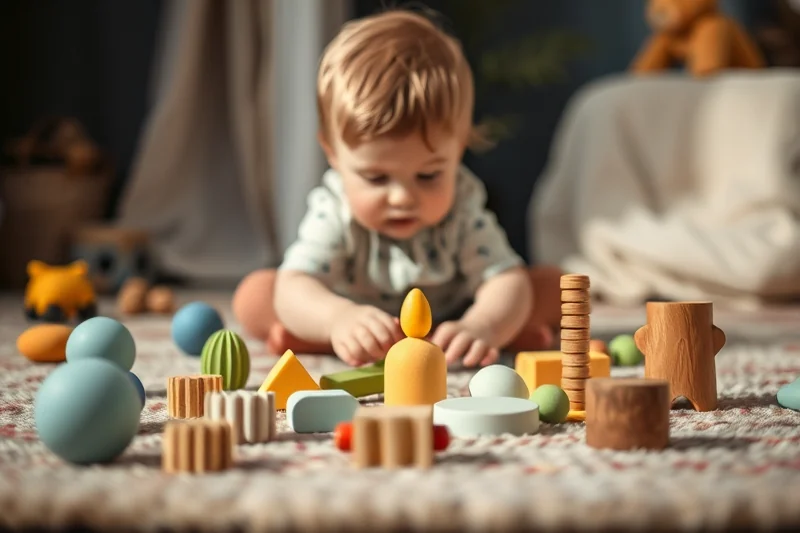
Play is how toddlers learn. It’s through playing that they develop problem-solving skills, language, and social awareness. I’ve seen firsthand how a simple game of hide-and-seek can help a toddler understand spatial relationships and basic counting. When my daughter was 2, I used a game called 'I Spy' to help her learn colors and shapes. We played every morning, and within a few weeks, she could identify red, blue, and yellow without prompting.
Play also helps toddlers build emotional resilience. When I introduced a game where my daughter had to wait for her turn, she initially got frustrated. But over time, she learned patience and how to express her feelings. The game wasn’t just fun—it was teaching her important life skills.
The key is to let your toddler lead the play, but gently guide it with purpose. Choose activities that challenge them just enough to keep them engaged but not so much that they become frustrated. This balance is what makes play-based learning so effective.
Play is the most powerful tool in a toddler’s development.
Related: Toddler activities stage for beginners
Creating a Routine That Works for Your Toddler
Routines are essential for toddlers because they provide structure and predictability. When my daughter was around 2 years old, we started a daily routine that included reading a book, playing with blocks, and then having a snack. Within a month, she began to anticipate what came next, and it made transitions smoother.
I found that having a visual schedule with pictures made a big difference. We had a chart with stickers for each activity, and she loved checking off what we had done. It helped her understand the day’s plan and gave her a sense of accomplishment.
Consistency is key, but it doesn’t have to be rigid. Allow for flexibility when needed, but aim for a routine that feels familiar and comforting to your toddler.
Use simple pictures or stickers to show your toddler the daily routine. This helps them understand what’s coming next and builds a sense of security.
“When my daughter turned 18 months, I realized that the chaos of toddler life wasn’t just about tantrums—it was also about figuring out what actually…”— Toddlerwhirl editors
Related: Toddler activities stage printable
Choosing the Right Toys for Each Stage
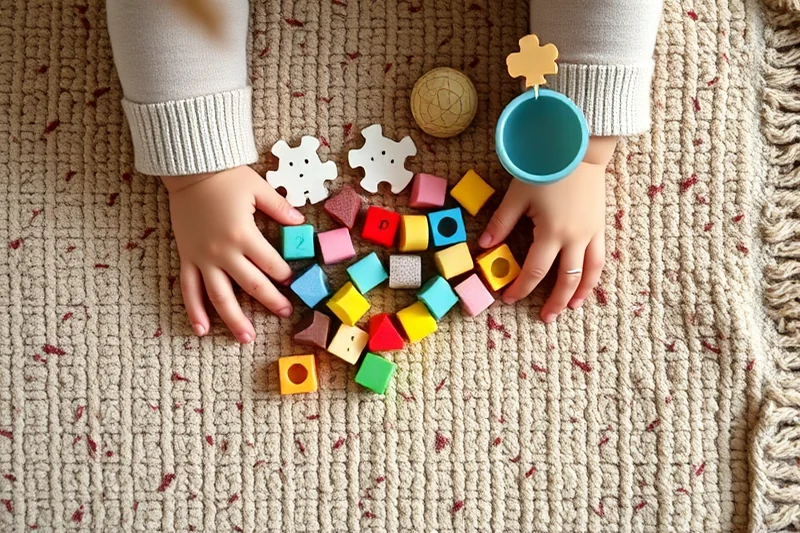
Toys should be age-appropriate to keep your toddler interested and safe. At 1 year old, I found that soft, squishy toys were perfect for sensory exploration. At 2, she loved puzzles and sorting games that challenged her growing motor skills. By 3, she was ready for imaginative play with dress-up clothes and pretend kitchen sets.
I also noticed that toys with multiple functions were a big hit. For example, a toy that could be used as both a car and a building block kept her engaged for longer. These kinds of toys encourage creativity and problem-solving, which are essential for development.
When choosing toys, look for ones that are safe, durable, and encourage interaction. Avoid anything with small parts for younger toddlers. Let your toddler choose the toys they like best, and you’ll find they’ll be more willing to play with them.
Related: Quick toddler activities stage
Making Learning Fun with Everyday Activities
Learning doesn’t have to be confined to playtime or school. I’ve found that simple activities like cooking with my toddler, even if it’s just washing fruit, help teach them about measurement, counting, and teamwork. At 2 years old, she loved measuring out water into cups and pretending to make a smoothie.
Another favorite was going on nature walks and collecting leaves and rocks. We talked about what we found, and she learned about shapes, colors, and even basic biology. It was a way to connect with her and teach her about the world around her without even realizing it.
The key is to make these activities fun and interactive. Let your toddler take the lead and ask questions. When you show enthusiasm and curiosity, they’ll be more likely to join in and learn along with you.
🧸 Gentle Approach
Ideal for toddlers who need more calm and less structure, focusing on sensory and emotional play.
🚀 Fast-Track Approach
For parents who want to maximize learning in short bursts, using high-energy, focused activities.
🧳 Travel/ Away-From-Home Approach
Activities that are easy to bring on the go, like portable games or sensory toys that don’t take up much space.
👶 Multiples Approach
Tips for managing multiple toddlers, using play that encourages cooperation and shared learning.
🔄 Regression Reset Approach
Activities to help toddlers through developmental regression, using repetition and structured play to reinforce skills.
| The mistake | Why it happens | The fix |
|---|---|---|
| Trying to push too many new activities at once. | Toddlers can become overwhelmed and lose interest if they’re introduced to too many new things at once. | Introduce one or two new activities at a time and observe how your toddler responds. |
| Forcing your toddler to play with specific toys. | Forcing play can lead to resistance and frustration, making it harder to engage your toddler later. | Let your toddler choose their own toys and play what interests them. |
| Ignoring the developmental stage of your toddler. | Choosing activities that are too advanced for your toddler’s stage can lead to confusion and lack of engagement. | Match activities to your toddler’s developmental stage to keep them interested and challenged appropriately. |
| Not allowing enough time for each activity. | Toddlers have short attention spans, and not giving them enough time to explore can lead to frustration. | Allow for 15–30 minutes of focused play per activity, then transition to something new. |
Related: Toddler activities stage checklist
Toddler Activities By Age Stage Tips
Related: Budget toddler activities by age stage
The Role of Outdoor Play in Toddler Development
Outdoor play is essential for toddlers, offering physical, emotional, and cognitive benefits that can't be replicated indoors.
I discovered how much my toddler thrived during daily outdoor time—whether it was running through the park, digging in the sandbox, or simply watching bugs crawl. These activities helped build gross motor skills, improve balance, and boost confidence. I made a point to spend at least 1 hour outside each day, even on rainy days, using a raincoat and boots to keep her comfortable and engaged. This routine not only kept her active but also gave her a sense of freedom and curiosity about the world around her.
Outdoor play also fosters social development when toddlers interact with peers. I noticed that when we visited the local playground regularly, my daughter started sharing toys and taking turns with other kids. These small interactions helped her learn empathy and cooperation. I made sure to stay nearby but gave her space to explore independently, which built her confidence and independence. I also brought a small bag with snacks and water to keep her energized and hydrated throughout our time outside.
Incorporating nature into outdoor play can enhance learning in unexpected ways. I took my toddler on nature walks where we collected leaves, stones, and flowers, which led to conversations about colors, shapes, and textures. We even made a simple nature journal with drawings and pressed flowers, which she still keeps on her shelf. These moments weren't just fun—they helped her develop observational skills and a love for learning that extended beyond the playground. I've found that mixing unstructured play with simple guided activities gives the best results for her development.
Common Questions
What activities are best for a 1-year-old?
How can I help my toddler develop language skills?
What should I do if my toddler refuses to play with certain toys?
How can I keep my toddler engaged during long car rides?
References
Cite this guide
Toddlerwhirl (2026). Toddler Activities By Age Stage Tips. https://toddlerwhirl.com/toddler-activities-by-age-stage-tips/
Feel free to cite or share this guide.