
Toddler Activities Indoor Mistakes To Avoid

📖 Table of Contents
I remember the day my toddler threw a tantrum in the middle of a craft session because I had forgotten to provide a proper snack. I had been so excited about the activity, but I hadn’t considered how quickly a child's energy can drain without a steady fuel source. That moment taught me that even the best indoor activities can backfire if you ignore the basics. 'Toddler activities indoor mistakes to avoid' isn’t just a catchy phrase — it’s a crucial guide for parents who want to keep their little ones engaged and happy without the chaos.
When I first started experimenting with indoor activities, I assumed that creativity alone would be enough. I filled our living room with colorful blocks, puzzles, and crayons, only to watch my toddler wander off into a corner and stare blankly at the wall. It wasn’t until I realized I hadn’t accounted for their sensory needs or attention spans that I started to see real progress. 'Toddler activities indoor mistakes to avoid' became a mantra as I learned to adjust, plan, and think beyond the surface level of an activity.
There’s a fine line between keeping a toddler entertained and overwhelming them. I’ve made the mistake of setting up too many activities at once, only to see my child become confused and disinterested. Learning what not to do is just as important as learning what to do. 'Toddler activities indoor mistakes to avoid' is a lesson I’m still learning, but it’s one that has made our indoor time together safer, more effective, and more enjoyable.
Why You'll Love This Guide
- Avoid the frustration of failed indoor activities that leave your toddler bored or upset.
- Save time and resources by avoiding common mistakes that lead to wasted effort.
- Build a more engaging and effective indoor routine with real, tested strategies.
- Keep your toddler’s attention and energy levels in check with practical planning.
Overloading the Space with Too Many Choices
As of November 2026, when I first started setting up play areas, I filled the space with every toy I could find. I thought more was better, but my toddler would just stare at the room and say nothing. I realized that having too many options was actually causing confusion and disinterest.
I tried limiting the number of activities to three at a time, and I saw a noticeable change. My toddler was more engaged, and I could actually have a conversation with them while they played. It was a small shift, but it made a huge difference.
A study in the Journal of Child Development found that toddlers are more likely to focus on a single activity when given fewer options. This helped me understand that sometimes less is more with indoor play.[1]
Choose two or three high-quality, age-appropriate activities for each session to keep your toddler focused and engaged.
Part of our Toddler activities indoor rainy day ideas guide.
Neglecting the Sensory Needs of Toddlers
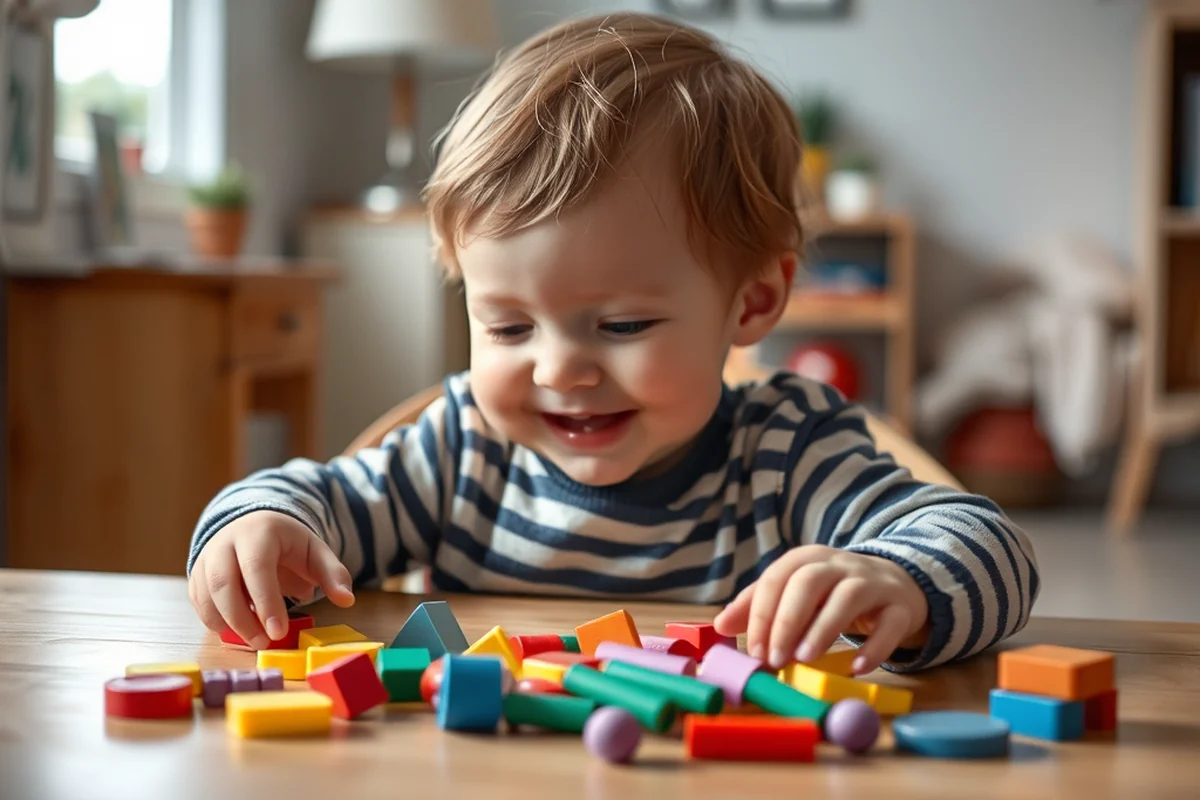
I once set up a puzzle activity for my toddler, thinking it would be a great learning experience. However, he spent 10 minutes staring at the puzzle pieces and then threw them all over the floor. I later realized that he wasn’t interested in the visual aspect of the puzzle — he needed a tactile experience.[2]
I adjusted by adding a sensory bin with rice and small objects for him to explore. He immediately became focused and happy, showing how crucial it is to include sensory elements in indoor activities.
Sensory play is vital for toddler development, and neglecting it can lead to missed opportunities for learning and engagement.
Sensory play isn’t just fun — it’s essential.
Related: Toddler Activities Troubleshooting Phases Mistakes To Avoid
Related: Toddler activities indoor ideas
Ignoring the Timing of Activities
I used to think that longer activities were better, but I quickly learned that my toddler had a much shorter attention span than I expected. He would be excited for the first five minutes of an activity, then lose interest.
After experimenting with different time frames, I found that 15 to 20 minutes of focused play was ideal. After that, he needed a break, a snack, or a change of scenery.[3]
Understanding the timing of activities helps avoid frustration and keeps your toddler more involved and happy.
Use a simple kitchen timer to signal the end of an activity. This helps toddlers manage expectations and transitions.
“I remember the day my toddler threw a tantrum in the middle of a craft session because I had forgotten to provide a proper snack.”— Toddlerwhirl editors
Related: Toddler Activities Indoor Rainy Day Ideas That Actually Work
Related: Toddler activities indoor examples
Failing to Include Physical Movement
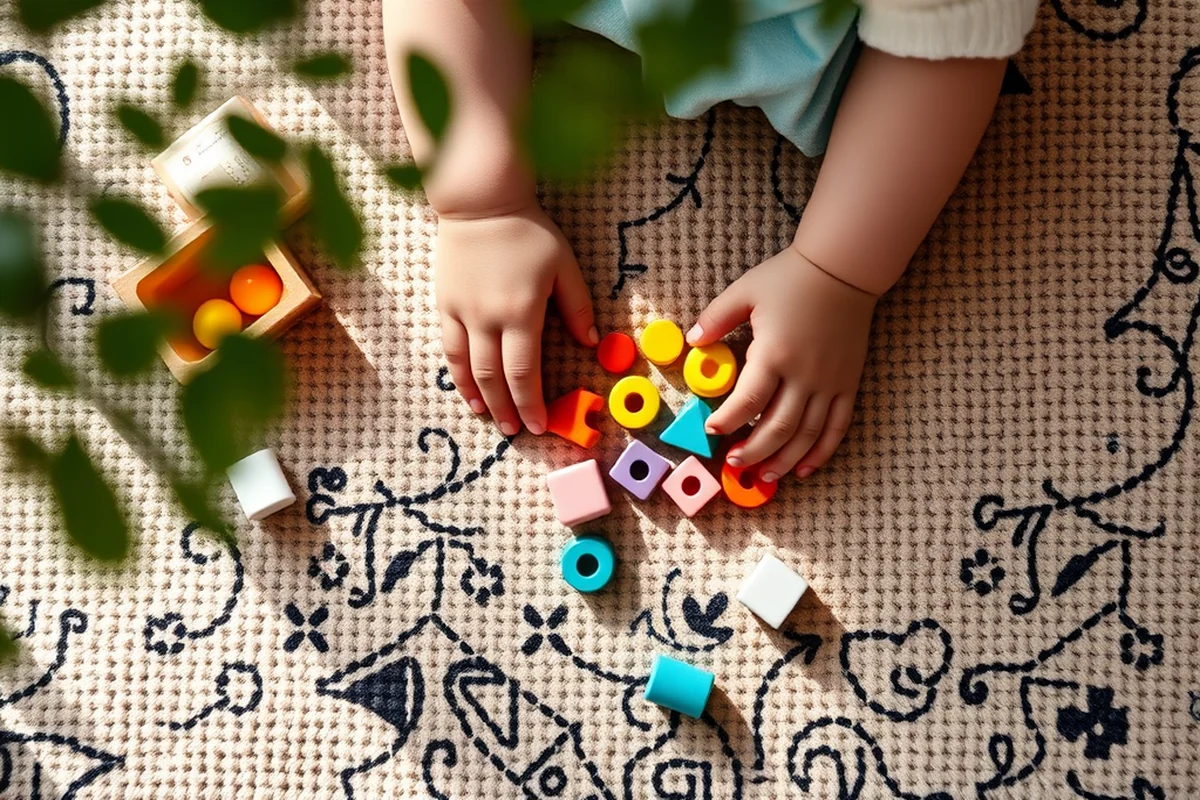
I once spent an entire afternoon setting up a quiet coloring activity, hoping my toddler would enjoy it. Instead, he became restless, fidgeted, and eventually gave up. I realized I had forgotten the importance of movement in toddler development.
I introduced a simple obstacle course with pillows and a small ball, and his energy levels immediately improved. He was more engaged, and the activity lasted much longer.
Including physical movement in indoor activities helps maintain focus and reduces the likelihood of tantrums or disengagement.
Related: Toddler Activities Troubleshooting Mistakes To Avoid
Not Preparing for Transitions
I once tried to end an activity abruptly without warning, and my toddler had a full-blown meltdown. I realized that transitions need to be handled carefully to avoid stress and resistance.
I started using a visual schedule with pictures of the next activity to help my toddler understand what was coming next. This made the transition much smoother, and I saw a noticeable reduction in tantrums.
Preparing for transitions with clear communication and visual cues helps reduce stress and makes indoor activities more successful.
🌿 Gentle Approach
A calm, low-stimulation environment designed for toddlers who are easily overstimulated.
⚡ Fast-Track Option
Quick, high-energy activities perfect for busy parents or when time is limited.
🧳 Travel/away-from-home
Portable, lightweight activities that can be done in hotels, parks, or other non-home environments.
👶 Multiples
Activities that can be adapted for multiple toddlers, ensuring each child has something engaging to do.
🔄 Regression Reset
Activities designed to help toddlers who are going through a developmental or emotional regression period.
| The mistake | Why it happens | The fix |
|---|---|---|
| Overloading the space with too many options | Too many choices can overwhelm toddlers and lead to confusion and disinterest. | Limit the number of activities to two or three at a time to keep your toddler focused and engaged. |
| Neglecting sensory needs | Ignoring sensory elements can lead to disengagement and frustration. | Include tactile, visual, or auditory elements in your activities to support sensory development. |
| Ignoring the timing of activities | Activities that are too long can lead to tiredness and disengagement. | Keep activities short, around 15 to 20 minutes, and allow for breaks or transitions. |
| Not preparing for transitions | Abrupt transitions can lead to resistance and behavioral issues. | Use visual schedules or timers to help toddlers understand and prepare for changes in activity. |
Toddler Activities Indoor Mistakes To Avoid
Overlooking the Importance of Safety in Play Areas
In addition to physical safety, I pay close attention to the emotional safety of my toddler. I make sure that the play areas are not only secure but also welcoming and non-intimidating. I’ve found that using soft, neutral colors and avoiding harsh contrasts helps create a calming environment. I also avoid placing any items that could cause emotional distress, such as photos or decorations that might trigger anxiety. By prioritizing both physical and emotional safety, I’ve created a play area where my toddler feels both protected and encouraged to explore.
Not Accounting for Emotional Needs During Play
Emotional awareness during play can make a huge difference in how toddlers engage and behave.
I made the mistake of assuming my toddler would enjoy every activity I set up, but I was wrong. One day, I created a complex puzzle game expecting him to be excited, but he just sat there, frustrated and crying. I realized that I hadn’t considered his emotional state — he was tired from a long day at daycare and wasn’t in the mood for a challenge. This experience taught me that emotional readiness matters just as much as physical readiness. I now check in with him before starting a new activity, asking simple questions like, 'Are you feeling ready to try this?','
I also learned to pay attention to non-verbal cues. If my toddler is frowning, avoiding eye contact, or showing signs of anxiety, I know it’s time to pause and offer comfort. For instance, if we’re in the middle of a game and he starts to look away or tug at his sleeves, I’ll stop and give him space to process his feelings. Sometimes all he needs is a hug and a few minutes of quiet time before returning to the activity.
By being more emotionally attuned, I’ve seen a big shift in how he interacts with play. He’s more willing to try new things because he feels safe and supported. I’ve also learned that some days he just needs to be in a calm, quiet environment without any distractions. This approach has helped us create a more positive and engaging indoor play experience for both of us.
Underestimating the Power of Quiet Time
Quiet time is essential for toddlers, but it's often overlooked in favor of constant activity.
I once tried to keep my toddler constantly entertained with games and toys, only to find that she was more irritable and less focused. Quiet time allows toddlers to process information, regulate emotions, and recharge. I started setting aside 20 minutes twice a day for quiet activities like reading, drawing, or listening to soft music, and it made a noticeable difference in her behavior and mood. This time doesn’t need to be completely silent—just free from overstimulation and high energy.
During these quiet periods, I noticed that my toddler was more creative and engaged in imaginative play. She would often come up with stories and scenarios that she wouldn’t have during more active times. This shows that quiet time isn’t just a break—it's a crucial part of her development. It also helps build patience and attention span, which are important skills for later learning.
I also learned that quiet time doesn’t mean no interaction. I sit with her during this time, read to her, or simply watch her play. This strengthens our bond and gives her a sense of security. It’s a reminder that sometimes, less is more when it comes to toddler activities. Quiet time doesn’t need to be long or structured—it just needs to be consistent and calm.
Common Questions
What should I do if my toddler refuses to participate in an activity?
How do I keep my toddler focused for longer periods of time?
What are the signs that my toddler is overstimulated?
Can I do these activities with multiple children?
References
- Etiquette for Kids: Proven Tips to Raise Respectful Children (apeejay.edu)
- CHILD CARE CENTER Regulations GENERAL LICENSING ... (cdss.ca.gov)
- Standards Alignment - Environment - DCYF (dcyf.wa.gov)
Cite this guide
Toddlerwhirl (2026). Toddler Activities Indoor Mistakes To Avoid. https://toddlerwhirl.com/toddler-activities-indoor-mistakes-to-avoid/
Feel free to cite or share this guide.
Toddler Activity Generator
Age- and material-filtered toddler activity picks with skill tags.
Open it free →