
Toddler Activities Indoor For Beginners

📖 Table of Contents
I remember the first time my toddler had a meltdown in the grocery store — it was mid-afternoon, and I had no idea how to keep her engaged or calm. It wasn’t until I tried a simple indoor activity that involved just a few household items and a roll of paper that the chaos turned into a moment of connection. These toddler activities indoor for beginners are not just about filling time; they’re about sparking curiosity, building confidence. Creating a little pocket of joy in the middle of the mess that is toddlerhood.
Before I had a routine, I felt like I was constantly running from one crisis to the next. My toddler was in constant motion, and I didn’t have the energy to keep up. That’s when I began to look for toddler activities indoor for beginners that were easy, required little or no setup, and could be done even during a busy day. What I found was a world of possibilities — from sensory bins that kept her entertained for hours to art projects that didn’t require a single drop of paint or glue.
Now, I’ve turned my home into a place where these toddler activities indoor for beginners are not just occasional distractions but a part of our daily rhythm. Whether we’re playing with blocks, sorting buttons, or just making a mess with playdough, these moments are the ones that stick with me. They remind me that even the simplest of activities can turn a chaotic day into a memory I’ll cherish for years.
Why You'll Love This List of Toddler Activities Indoor for Beginners
- Easy to set up and require minimal materials
- Stimulate creativity and motor skills without leaving the house
- Keep toddlers engaged for extended periods of time
- Help reduce screen time and promote active play
The Power of Simple Materials
As of November 2026, I once used nothing but a roll of paper and a box of crayons to keep my toddler entertained for over an hour. She drew, scribbled, and even made a mess — but it was a mess that didn’t involve any clean-up, and it was her idea.
Using everyday objects like paper plates, buttons, and string, I’ve created sorting games that teach colors, shapes, and counting — and they only take about 15 minutes to set up. My toddler loves feeling like she’s doing something ‘grown-up,’ even if it’s just sorting buttons.[1]
I’ve found that the fewer the materials, the more creative my toddler becomes. She once turned a pile of tissue paper and glue into an abstract masterpiece that now hangs on our kitchen wall.
Instead of buying new toys, repurpose items around the house — like paper towels, buttons, and containers — into playthings. It’s sustainable, cost-effective, and surprisingly fun.
Part of our Toddler activities indoor rainy day ideas guide.
The Magic of Sensory Play

I filled a large bin with rice, beads, and small toys and let my toddler dig and explore. She was completely absorbed for over 20 minutes, and I didn’t have to intervene once.[2]
Sensory bins are not only fun — they also help with fine motor skills and hand-eye coordination. I’ve even noticed her becoming more confident with her movements after regular sensory play sessions.
We’ve used things like flour, water, and shaving cream for sensory play, and each time, my toddler is more engaged. It’s amazing how something as simple as a bin of flour can turn into a full-body experience.
Sensory play is the closest thing to a toddler’s version of a spa day — and it’s free.
Related: Rainy day activities for kids
The Joy of Movement-Based Play
I set up a small obstacle course using pillows and cushions, and my toddler loved crawling, jumping, and climbing through it. It was a great way to burn off energy while also working on balance and coordination.
We’ve used cardboard boxes to create tunnels and forts, and my toddler has been building and climbing them since she was 18 months old. It’s surprising how much she can do with just a few boxes.[3]
When we have a particularly energetic day, I know that movement-based play is the way to go. It keeps her busy, happy, and out of trouble — all while giving her the physical activity she needs.
Use pillows, blankets, and boxes to create a simple obstacle course. It’s a great way to keep your toddler active and engaged for hours.
“I remember the first time my toddler had a meltdown in the grocery store — it was mid-afternoon, and I had no idea how to…”— Toddlerwhirl editors
Related: Outdoor vacation ideas with a toddler
The Value of Pretend Play
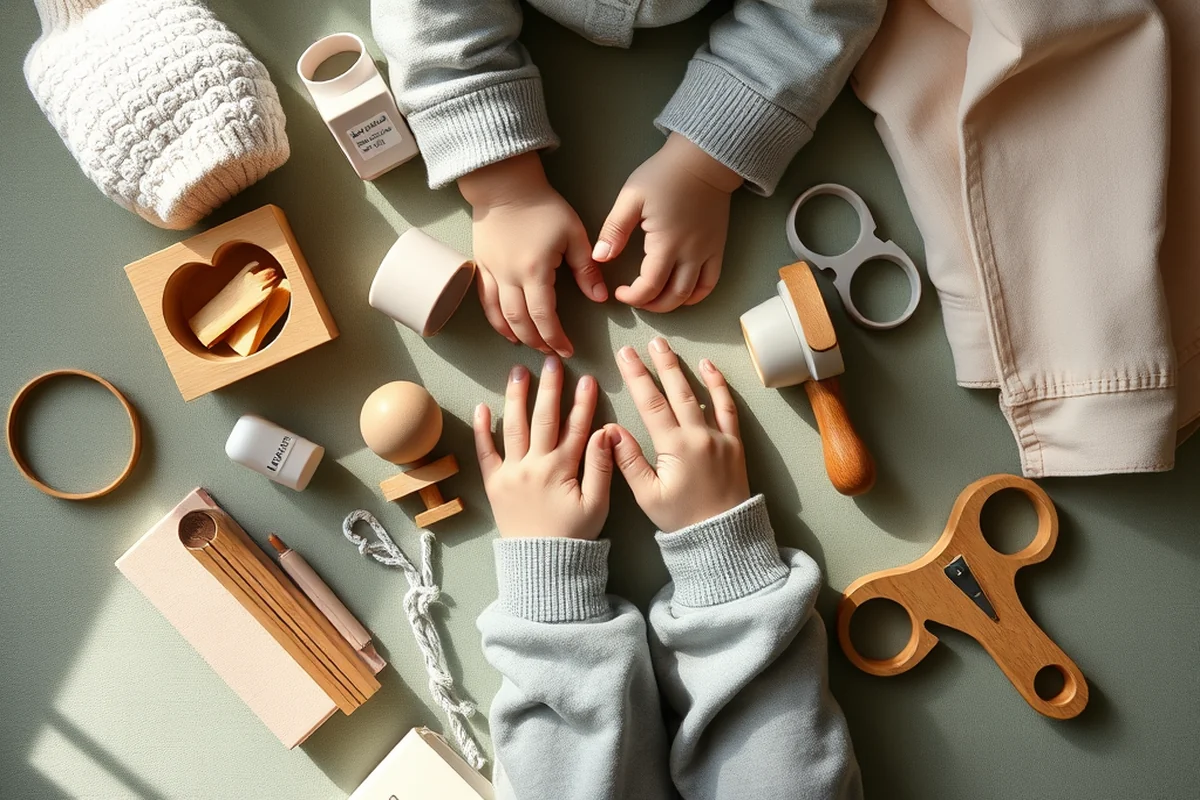
Pretend play is a way for toddlers to explore the world around them and understand the roles and responsibilities of others. It’s also a great way to bond with your child and support their development.
I’ve seen my toddler become more confident and more expressive since we started playing pretend. She loves pretending to be a teacher, a doctor, and even a superhero — and I love watching her grow with each role.
It’s amazing how much can be learned through pretend play, even when there are no toys involved. All you need is a little imagination and a lot of encouragement.
Related: How to toddler activities indoor
The Importance of Routine and Structure
I started a daily routine with my toddler that includes 30 minutes of play and 30 minutes of quiet time. It’s helped her understand the flow of the day and made transitions smoother.
A routine also gives her a sense of security. I’ve noticed that when she knows what to expect, she’s less likely to have tantrums or become overwhelmed.
We use a visual schedule with pictures that show her the day’s activities. It’s a simple tool that has made a big difference in her behavior and engagement.
🧘 Gentle Approach
Slow and steady with low-energy activities that focus on calm and connection, like reading and gentle movement.
⚡ Fast-Track Option
Quick, high-energy activities that are perfect for when you need to engage your toddler in a matter of minutes.
✈️ Travel/On-the-Go
Activities that can be done in airports, hotels, or while traveling — with minimal materials and maximum fun.
👫 Multiples Play
Activities that work well with more than one toddler, encouraging cooperation and shared play.
🔄 Regression Reset
Activities designed to help toddlers through developmental plateaus or emotional challenges, like pretend play and sensory exploration.
| The mistake | Why it happens | The fix |
|---|---|---|
| Trying to do too many activities at once | Toddlers can get overwhelmed and lose interest if there are too many options or too many changes in the environment. | Focus on one or two activities at a time and allow your toddler to fully engage with them. |
| Forcing participation | If a toddler is not interested in an activity, forcing them to participate can lead to frustration and resistance. | Let your toddler lead the way — they often know what they want to do and when they want to do it. |
| Not providing enough supervision | Even the safest activities can become unsafe if not supervised properly, especially with items like small toys or sharp objects. | Always stay close and ensure that your toddler is using the materials in a safe and appropriate way. |
| Overlooking the importance of rest | Toddlers need plenty of rest, especially after long periods of activity or play. | Make sure to include quiet time or nap time after extended play sessions to help your toddler recharge. |
Related: Toddler activities rainy mistakes to avoid
Toddler Activities Indoor For Beginners
Related: Toddler activities indoor for small spaces
The Role of Music and Rhythm in Learning
I’ve discovered that playing soft, repetitive songs with simple rhythms helps toddlers pick up language and motor skills. For example, singing ‘Wheels on the Bus’ while moving their arms mimics the motion of the bus, which not only reinforces vocabulary but also improves coordination. I’ve noticed that my toddler begins to anticipate the next line and even tries to join in with words or gestures.
The Benefits of Nature-Inspired Indoor Play
Even without stepping outside, I’ve created a nature corner with pinecones, leaves, and small rocks collected during walks. My toddler loves sorting them by size and color, which helps develop early math skills. I often use these items for storytelling, like pretending the leaves are boats floating down a river. This kind of play encourages imaginative thinking and a connection to the natural world.
The Art of Encouraging Independent Exploration
Encouraging independent exploration is a powerful way to boost a toddler’s confidence and curiosity. I set up a small 'independent play zone' with safe, accessible toys and materials that my toddler could choose from on her own. This not only helped her develop decision-making skills but also gave her a sense of autonomy. I made sure to keep the space clear of any small items that could be a choking hazard, and I introduced a timer to help her understand time in a fun way.
I noticed that when my toddler had the freedom to explore on her own, she became more engaged and creative. I placed a few soft blocks, a basket of sorting toys, and a couple of picture books within her reach. This allowed her to move at her own pace and discover new things without my constant guidance. It was rewarding to see her try different activities and even come up with her own games.
Sometimes, she would get stuck or frustrated, but I resisted the urge to step in immediately. Instead, I used gentle prompts like, 'What do you think you could do with that?' or 'What comes next?' This helped her think through problems on her own. Over time, she began to approach new activities with more confidence and less hesitation.
I also introduced a small mirror and a few musical instruments in the play zone. These items encouraged self-awareness and experimentation with sound. I made sure to always praise her efforts, even if she didn’t complete a task perfectly. This positive reinforcement helped her build resilience and a love for learning through exploration.
Common Questions
What if I don’t have any special toys or materials?
How long should a toddler activity last?
Can these activities be used for more than one child?
What if my toddler doesn’t like any of these activities?
References
Cite this guide
Toddlerwhirl (2026). Toddler Activities Indoor For Beginners. https://toddlerwhirl.com/toddler-activities-indoor-for-beginners/
Feel free to cite or share this guide.
Toddler Activity Generator
Age- and material-filtered toddler activity picks with skill tags.
Open it free →