
Affordable Toddler Activities Routines Schedules

📖 Table of Contents
I remember the day my toddler turned two — I had a schedule that looked like it was pulled from a spaceship manual, and I was too exhausted to even function. My days were a blur of 'just one more minute' and 'I need to take a nap now. I can't because I have to get dinner ready.' It wasn’t until I started building affordable toddler activities routines schedules that I felt like I had a plan, not just a hope. These routines didn’t cost a fortune, but they gave me back my sanity and my child a sense of structure that made a world of difference.
Creating affordable toddler activities routines schedules isn’t about buying the latest toy or hiring a babysitter. It’s about using what you already have — a park, a book, a cardboard box — and making it magical. I began to notice that when I had a consistent routine, even if it was simple, my toddler was happier, calmer, and more engaged. It wasn’t just about filling time; it was about filling life with purpose and joy.[1]
As a parent, I learned that affordable toddler activities routines schedules could be as simple as a morning walk, a midday story, and an afternoon craft. I even discovered that by using items around the house, I could create activities that were not only low-cost but also deeply meaningful. It wasn’t about perfection, but about intention. And that, I found, was the real magic.[2]
Why You'll Love This Affordable Toddler Activities Routine
- Consistency without cost: routines that make life easier, not harder.
- Stimulating play with everyday items: creativity meets affordability.
- Flexible structure: adapts to your home and your child’s mood.
- Peace of mind: knowing your toddler is engaged and learning, without spending a fortune.
Why Consistency is Key in Toddler Routines
As of November 2026, when toddlers know what’s coming next — whether it’s a snack, a nap, or a story — they feel safe and secure. This predictability reduces anxiety and allows them to focus on exploring and learning. I found that even on chaotic days, sticking to a basic routine helped me and my toddler regroup quickly.[3]
One of the best things I learned was that consistency doesn’t mean rigidity. If we were running late, we’d still follow the same order of activities but just speed them up. This flexibility allowed us to adjust without losing the structure that was so important.
I noticed that on days when we skipped the routine, my toddler was more fussy and less cooperative. It wasn’t until I reintroduced even the most basic elements — like a morning walk or a bedtime story — that things started to feel calmer again.
Even if you can’t do everything, do the most important parts of your routine first — like a meal or a nap — and adjust the rest as needed.
Part of our Toddler activities routines schedules guide.
How to Create an Affordable Routine with What You Already Have
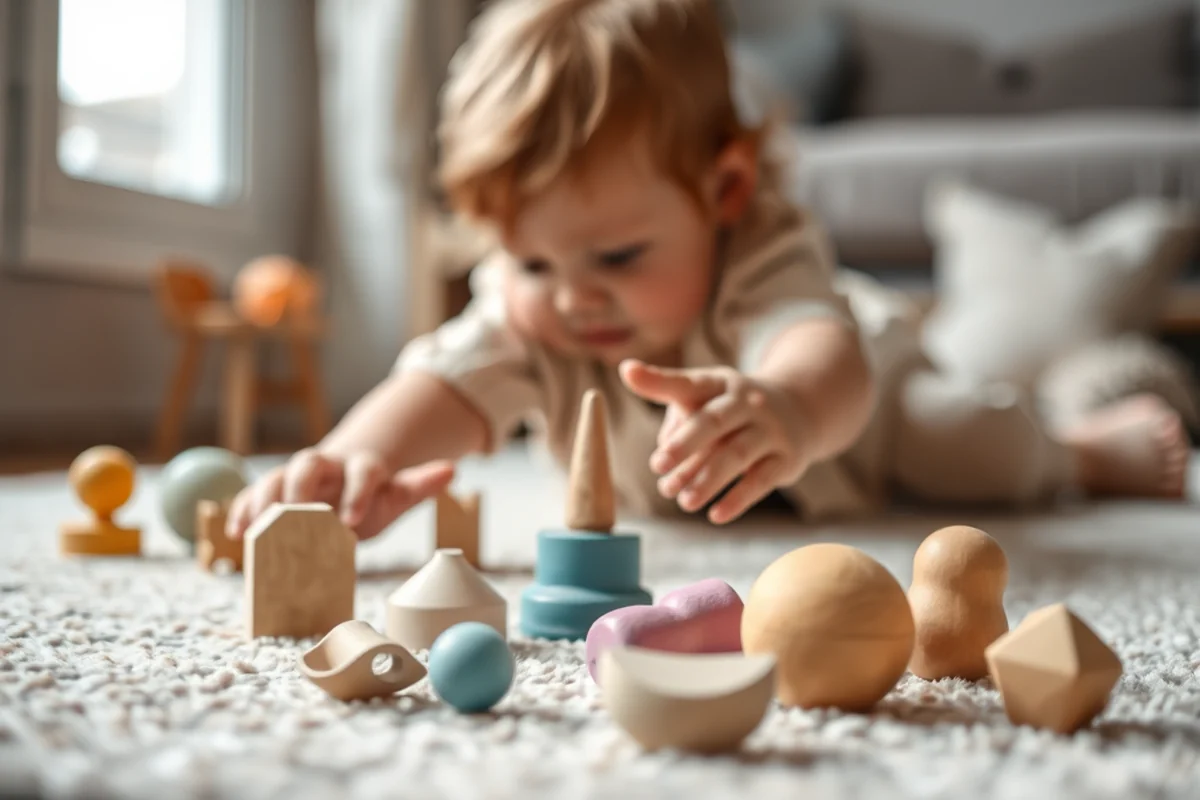
I once turned a cardboard box into a castle and used old blankets and pillows to make a fort. My toddler spent hours playing there, pretending to be a king or a pirate. The best part was that all those materials were already in the house, and I didn’t spend a single dollar.
I also found that using items like books, blocks, and even kitchen utensils could be transformed into educational tools. We used measuring cups to sort by size and color, and I used a book to create a story that we acted out together.
This approach not only saved money but also sparked creativity and problem-solving skills. By using what we had, we created a routine that was both fun and meaningful.
Imagination has no price tag — it’s the most valuable toy in your home.
Related: Toddler Activities Routines Schedules Tips
Related: Toddler activities routines step by step
The Power of a Simple Schedule for Toddlers
When toddlers know what’s coming next, they’re less likely to feel overwhelmed or frustrated. I used a visual schedule made from paper and markers, and it helped my toddler understand the flow of the day. We’d point to each activity and talk about what we were going to do next.
I noticed that using a simple schedule helped me manage my own expectations too. I wasn’t constantly scrambling to get things done; I had a plan, and that made me feel more in control.
This visual schedule also became a tool for teaching my toddler about time and routines. Over time, he began to recognize the symbols and even start to self-regulate his behavior.
Create a visual schedule using paper, magnets, or a chalkboard. This makes the routine more tangible and helps your toddler understand the day ahead.
“I remember the day my toddler turned two — I had a schedule that looked like it was pulled from a spaceship manual, and I…”— Toddlerwhirl editors
Related: Toddler Activities Routines Schedules That Actually Work
Related: Best toddler activities routines
How to Adjust Routines for Different Ages and Moods

I also noticed that on days when my toddler was in a particularly good mood, we could extend the routine and add extra activities. It was a great way to celebrate their energy and enthusiasm.
Sometimes, we’d switch up the order of activities to keep things fresh and exciting. This helped maintain engagement without losing the structure that was so important.
I found that being open to change made the routine more sustainable in the long run. It wasn’t about perfection; it was about finding what worked for us and adjusting as needed.
Related: Toddler Activities Routines Schedules Step By Step
The Importance of Play in Toddler Routines
I discovered that play is not just fun — it’s essential for learning and growth. By incorporating play into our routine, we were able to create a natural way for my toddler to explore, discover, and develop new skills.
I used play to teach my toddler about colors, shapes, and numbers — all through games and activities that were both educational and entertaining. This approach made learning feel like a game, not a chore.
I also found that play helped us bond and connect in a way that no other activity could. Whether we were building a tower or pretending to be astronauts, those moments were some of my favorite memories with my toddler.
🌿 Gentle Routine
A relaxed approach focusing on low-stress, slow-paced activities that respect your toddler's natural rhythms.
⚡ Fast-Track Routine
A quick and efficient way to get through the day with simple, high-impact activities that keep your toddler engaged but not overwhelmed.
✈️ Travel/Out of Home Routine
A portable and adaptable routine that works well when you're on the go, with minimal materials and maximum flexibility.
👥 Multiples Routine
A structured routine designed for parents of multiple toddlers, with activities that work for both children at the same time.
🔄 Regression Reset Routine
A short-term routine used during times of regression or change, offering comfort and structure to help your toddler regain stability.
| The mistake | Why it happens | The fix |
|---|---|---|
| Trying to stick to a rigid schedule no matter what. | This can lead to frustration for both you and your toddler and may cause resistance or meltdowns. | Be flexible and adjust the routine as needed. Consistency doesn’t mean rigidity — it’s about finding what works for you both. |
| Ignoring your toddler’s cues and needs. | This can lead to overstimulation or stress, and your toddler may become uncooperative or disengaged. | Pay attention to your toddler’s signals and be willing to modify the routine to meet their needs. |
| Using too many different activities without a clear structure. | This can overwhelm your toddler and make the routine feel chaotic or confusing. | Focus on a few key activities and keep the structure simple and clear. |
| Neglecting the importance of play in the routine. | Play is essential for learning and development, and skipping it can lead to missed opportunities for growth. | Make sure play is a central part of your routine and use it as a tool for teaching and bonding. |
Affordable Toddler Activities Routines Schedules
Incorporating Nature into Toddler Routines on a Budget
Bringing nature into daily routines is both affordable and beneficial for toddlers. Here's how to do it effectively.
I started by taking my toddler on short walks around the neighborhood, using a stroller for convenience. We collected leaves, rocks, and flowers, which became the basis for simple science activities back home. These walks took about 20 minutes and cost nothing. I also set up a small garden with easy-to-grow plants like marigolds and sunflowers, which my toddler loved to water. This not only gave her a sense of responsibility but also sparked curiosity about plants and growth.
To make the most of our outdoor time, I created a “nature basket” with items like magnifying glasses, small containers for collecting specimens, and a sketchpad for drawing what we found. These items were either secondhand or purchased on sale, costing around $20 total. We used the basket on our walks and during backyard play, which added variety and learning without spending much. I also took advantage of local parks and community gardens, which often offer free access to families. These visits helped my toddler develop a love for the outdoors and basic scientific observation skills.
Including nature in daily routines also helped with emotional regulation. When my toddler was feeling overstimulated, a short walk or a few minutes of sitting on the grass helped her calm down. I noticed a significant improvement in her mood and focus after these nature breaks. This low-cost, high-impact approach made it easier to incorporate learning and play into our daily lives without the need for expensive programs or materials.
Common Questions
How can I make a routine work on days when I'm not feeling up to it?
What if my toddler refuses to follow the routine?
How do I handle changing routines when my toddler’s needs evolve?
Can I use the same routine for multiple toddlers?
References
Cite this guide
Toddlerwhirl (2026). Affordable Toddler Activities Routines Schedules. https://toddlerwhirl.com/affordable-toddler-activities-routines-schedules/
Feel free to cite or share this guide.
Toddler Activity Generator
Age- and material-filtered toddler activity picks with skill tags.
Open it free →