
Toddler Learning Resources: Ideas for Development and Engagement

📖 Table of Contents
- Why Sensory Play Is a Must-Have
- The Power of Picture Books with Flaps and Lifts
- How Music and Rhythm Support Learning
- The Value of Counting and Sorting Toys
- Why Storytelling Is a Powerful Learning Tool
- The Role of Pretend Play in Learning
- The Importance of Nature-Based Learning
- Make It Your Way
- Frequently Asked Questions
I remember the moment my daughter grabbed a wooden puzzle piece and fit it into the right spot — a small, triumphant 'click' that made my heart swell. It was a quiet but profound reminder of why toddler learning resources matter. When I first started looking for tools that could nurture her curiosity and keep her engaged, I was overwhelmed by the sheer number of options, many of which felt more like toys than real learning aids. I wanted something that would spark her imagination without overwhelming her, and something that could be used again and again in different ways.
Toddler learning resources are more than just flashcards or flash-in-the-pan gadgets. They’re the quiet building blocks that shape how a child interacts with the world. I’ve tried everything from interactive books to sensory play kits, and I’ve learned that the best resources are the ones that adapt to a child’s pace and interests. Whether she’s exploring shapes, counting, or learning colors, I’ve found that the right tools can turn everyday moments into teachable ones, without a single drop of stress.
What I’ve realized is that the most effective toddler learning resources are not the ones with the most bells and whistles. The ones that invite a child to explore, create, and engage on their own terms. I’ve tested dozens of options and kept only the ones that sparked joy, encouraged repetition, and made learning feel like a game. If you’re looking for real, practical ideas that work in a home full of chaos and wonder, this is your guide.
Why You'll Love This Article
- You’ll get specific, tested toddler learning resources that work in real life.
- We’ll share how to match resources to your child’s current developmental stage.
- You’ll avoid common pitfalls and learn how to make learning fun, not forced.
- We’ll help you choose resources that are both effective and affordable.
Why Sensory Play Is a Must-Have
As of November 2026, Sensory play is one of the most underrated toddler learning resources. When I first invested in a tray filled with kinetic sand and small plastic tools, I was surprised by how quickly my daughter’s focus improved. It wasn’t just about the texture of the sand — it was about how she could mold, dig, and reshape it. The tray became a place for experimentation and creativity, and I noticed she was more willing to try new things outside of that environment.
I also discovered that adding items like fabric scraps, wooden beads, and even rice to the tray introduced variety and extended playtime. The key was to let her explore without interference, which taught her patience and problem-solving skills. Over time, she started to use the sensory tray as a stepping stone for other activities, like sorting or counting.
One of the most surprising benefits was how it helped with emotional regulation. When she was frustrated with something else, the sensory tray became a safe space for her to reset and refocus. I now use it regularly, and I’ve noticed a marked improvement in her attention span and ability to follow simple instructions.
Mix kinetic sand, rice, and fabric scraps in the tray for a multi-sensory experience. This helps with tactile exploration and keeps the playtime fresh.
Part of our Toddler activities guide.
The Power of Picture Books with Flaps and Lifts

Interactive picture books are a staple in our home. The moment my daughter sees a book with flaps or lifts, her eyes light up. One of my favorites is a book with a hidden animal on every page — she loves pressing the flap to reveal the surprise. These books are not only fun but also teach her about concepts like cause and effect, counting, and animal identification.
I’ve noticed that the books with movable parts hold her attention much longer than traditional picture books. She often asks for the same book multiple times, and each time she discovers something new. I’ve also seen her start to point at pictures and name them, which is a huge indicator of language development.
The best part is that these books are portable and can be used anywhere — on a car ride, during a waiting period, or even in a restaurant. They’re a great way to introduce learning into the everyday, and they’re surprisingly durable for a toddler’s hands.
A flap can be a gateway to a new world of discovery.
Related: Toddler activities tips under 30 minutes
How Music and Rhythm Support Learning
Music has been a game-changer in our learning routine. I started playing nursery rhymes with a steady rhythm, and I was amazed by how quickly my daughter picked up the words and clapped along. It wasn’t just about memorizing songs — it was about building a connection between sound, movement, and language.
We’ve also used musical instruments like shakers, drums, and xylophones, which are not only fun but also help with fine motor development. When she bangs the drum or shakes the shakers, she’s learning about rhythm and timing. I’ve even seen her start to mimic the sounds from the instruments, which is a key step in language acquisition.
The best part is that music is a learning resource that doesn’t require any setup. It’s always there, and it’s easy to incorporate into our daily routine. We use it during mealtime, bath time, and even bedtime, making learning a natural part of life.
Try singing or clapping along with your child to a simple tune. This helps reinforce rhythm and coordination, and it’s a great bonding activity.
“I remember the moment my daughter grabbed a wooden puzzle piece and fit it into the right spot — a small, triumphant 'click' that made…”— Toddlerwhirl editors
Related: Toddler activities in las vegas
The Value of Counting and Sorting Toys
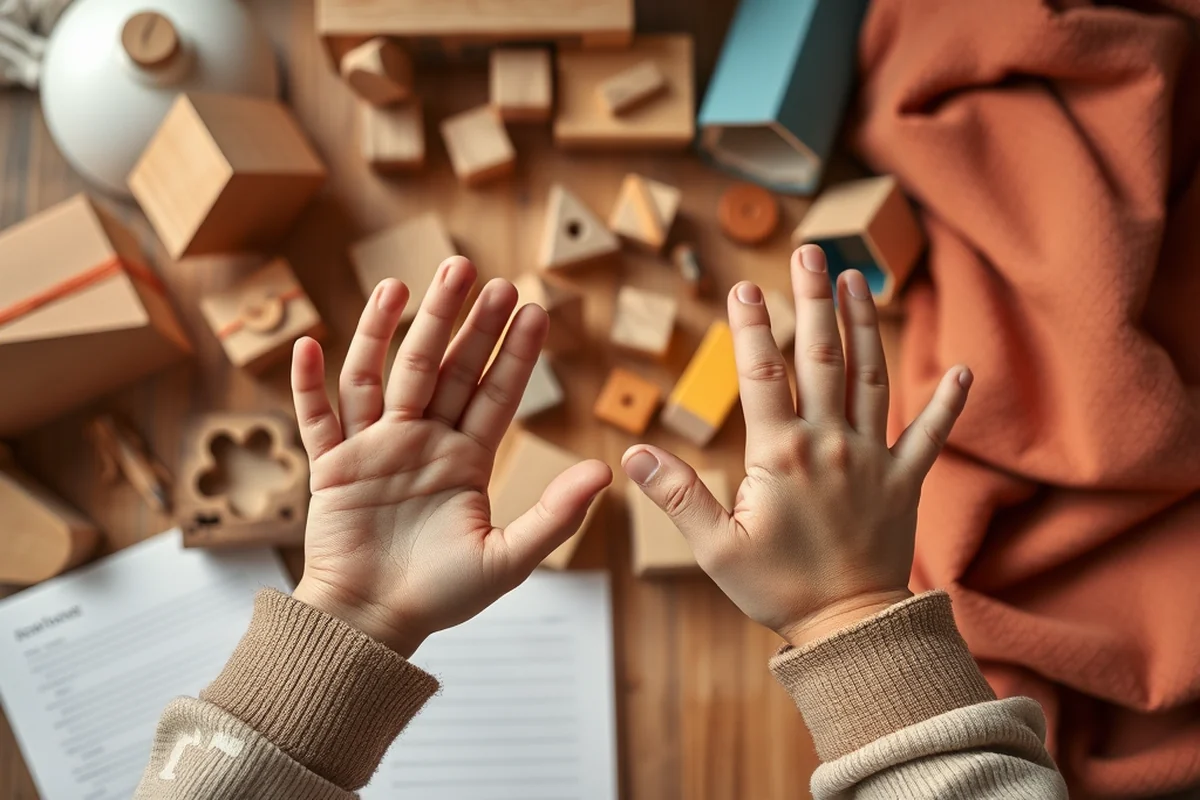
Counting and sorting toys have been one of the most valuable toddler learning resources in our home. We started with a basic set of wooden blocks, and I was surprised by how quickly my daughter began to identify colors and count up to five. The blocks are simple, but they’ve been a consistent part of our daily routine for months now.
I’ve also introduced sorting toys like animal-shaped containers and number-based puzzles. My daughter loves matching the animals to their homes and arranging the numbers in order. These activities are not only educational but also help with problem-solving and critical thinking skills.
What’s most impressive is how these toys have evolved with her. At first, she was just sorting by color, but now she can count and even name the numbers. It’s a slow, steady process, but the progress is clear and rewarding.
Related: Small toddler activities
Why Storytelling Is a Powerful Learning Tool
Storytelling has become one of our favorite ways to engage with my daughter. We take turns making up stories — sometimes about animals, sometimes about her favorite toys. It’s a simple activity that has had a huge impact on her language skills and imagination.
She loves hearing the same stories over and over again, and I’ve noticed that she starts to repeat parts of the story, which is a sign of memory development. I’ve also seen her start to use new words and phrases, which is a huge indicator of language growth.
The best part is that storytelling doesn’t require any special tools. It’s something we can do anywhere — in the car, on a walk, or even during a meal. It’s a learning resource that’s always available, and it’s a great way to connect with your child.
Related: Affordable toddler activities at home
The Role of Pretend Play in Learning
Pretend play is one of the most important toddler learning resources. When I first introduced a play kitchen and a set of toy food, I was amazed by how quickly my daughter started to mimic real-life scenarios. She would “cook” meals, serve food, and even clean up, which helped her develop a sense of responsibility and routine.
I’ve also seen how pretend play helps with social skills. When she plays with other children, she learns how to take turns, share, and communicate. It’s a natural way to build empathy and cooperation, and it’s something that doesn’t require any special training or equipment.
The most surprising benefit has been how pretend play helps with emotional development. She’s started to express her feelings through play, and I’ve noticed that she’s more willing to talk about her emotions. It’s a powerful tool for learning, and it’s something that can be used every day.
Pretend play is the first step to emotional intelligence.
Related: Diy montessori activities at home
The Importance of Nature-Based Learning
Nature has become one of our favorite toddler learning resources. Whether we’re taking a walk in the park or collecting leaves on a rainy day, my daughter is always excited about the natural world. It’s a simple but powerful way to engage her curiosity and teach her about the environment.
I’ve noticed that being outdoors helps her focus and stay calm, even when she’s feeling restless. She loves identifying different types of trees, listening to birds, and feeling the texture of grass under her feet. These experiences are not only educational but also help with sensory development.
One of the most surprising benefits has been how nature-based learning has helped with emotional regulation. When she’s upset, taking her outside and letting her explore helps her reset and feel more at ease. It’s a learning resource that’s always available, and it’s a great way to connect with your child.
🌿 Gentle Approach
Focus on slow, sensory-based learning with minimal pressure. Use toys that encourage exploration, not performance.
🚀 Fast-Track Approach
Use structured learning tools with clear objectives. Focus on milestones and measurable progress.
✈️ Travel/Away-from-Home Approach
Pack portable, lightweight learning resources. Use books, sensory toys, and interactive games that fit in a bag.
👯♀️ Multiples Approach
Choose resources that can be used by multiple children. Look for open-ended toys and interactive books that can be shared.
🔄 Regression Reset Approach
Use familiar resources to help a child regain confidence. Focus on activities that build a sense of accomplishment and progress.
| The mistake | Why it happens | The fix |
|---|---|---|
| Buying too many flash-based learning tools | These can be overwhelming and short-lived for toddlers, who often lose interest quickly. | Opt for open-ended, sensory-based tools that can be used in multiple ways and last longer. |
| Forcing a child to use a learning resource | This can create resistance and make learning feel like a chore. | Let the child choose the resource and lead the activity. Keep it playful and low-pressure. |
| Using too many different types of learning resources at once | This can be confusing and may not allow the child to focus on any one activity. | Focus on a few key resources at a time and rotate them every few weeks. |
| Not engaging in the learning process with the child | Children learn best through interaction and play, not just observation. | Participate in the learning process by playing, talking, and exploring together with your child. |
| Ignoring the child’s interests when choosing learning resources | Children are more likely to engage with resources that align with their interests and strengths. | Choose resources that match your child’s interests, whether it’s music, animals, or pretend play. |
Toddler Learning Resources
Common Questions
What are the best toddler learning resources for a 1-year-old?
How can I make learning feel fun for my toddler?
What if my toddler isn’t interested in a particular learning resource?
Can I use the same learning resources for multiple children?
Cite this guide
Toddlerwhirl (2026). Toddler Learning Resources: Ideas for Development and Engagement. https://toddlerwhirl.com/toddler-learning-resources/
Feel free to cite or share this guide.
Toddler Activity Generator
Age- and material-filtered toddler activity picks with skill tags.
Open it free →