
Affordable Toddler Activities Routines

📖 Table of Contents
I remember the first time my toddler asked, 'When are we doing something fun again?' That question hit me like a ton of bricks. We were in the middle of a chaotic week, and I had no idea how to keep our routines both engaging and affordable. It didn’t have to be expensive or elaborate—just simple, consistent, and meaningful. Affordable toddler activities routines are the secret sauce to keeping little ones happy and well-behaved, and I’m here to show you how.
I used to think that fun activities required big bucks, but I quickly learned that creativity and consistency are more valuable than any toy. One of the first things I did was create a daily rhythm that included art, movement, and storytelling. The results were surprising: not only did my toddler stay calm, but he also began to look forward to these moments. Affordable toddler activities routines don’t need to be flashy—they just need to be thoughtful and intentional.
What I didn’t expect was how much these routines would also benefit me as a parent. By sticking to a schedule that included play, reading, and quiet time, I found myself less stressed and more connected to my child. The key is to make sure these routines are affordable—no fancy equipment or expensive memberships needed. With a little planning, you can build a world of joy without breaking the bank.
Why You'll Love This Affordable Toddler Activities Routine
- It keeps your toddler engaged without expensive toys or outings.
- It builds structure and predictability that help toddlers feel safe and happy.
- It allows you to bond with your child through simple, meaningful interactions.
- It’s easy to adapt to your lifestyle, whether you're working from home or juggling a busy schedule.
Building a Daily Rhythm That Works for You
As of November 2026, I started by mapping out our day, making sure we had time for play, meals, naps, and quiet time. I used a visual chart with pictures of each activity, which my toddler could understand. We stuck to this schedule most days, and it made a huge difference in his behavior and mood. The best part? It only cost me $5 for a few printed charts and a whiteboard.[1]
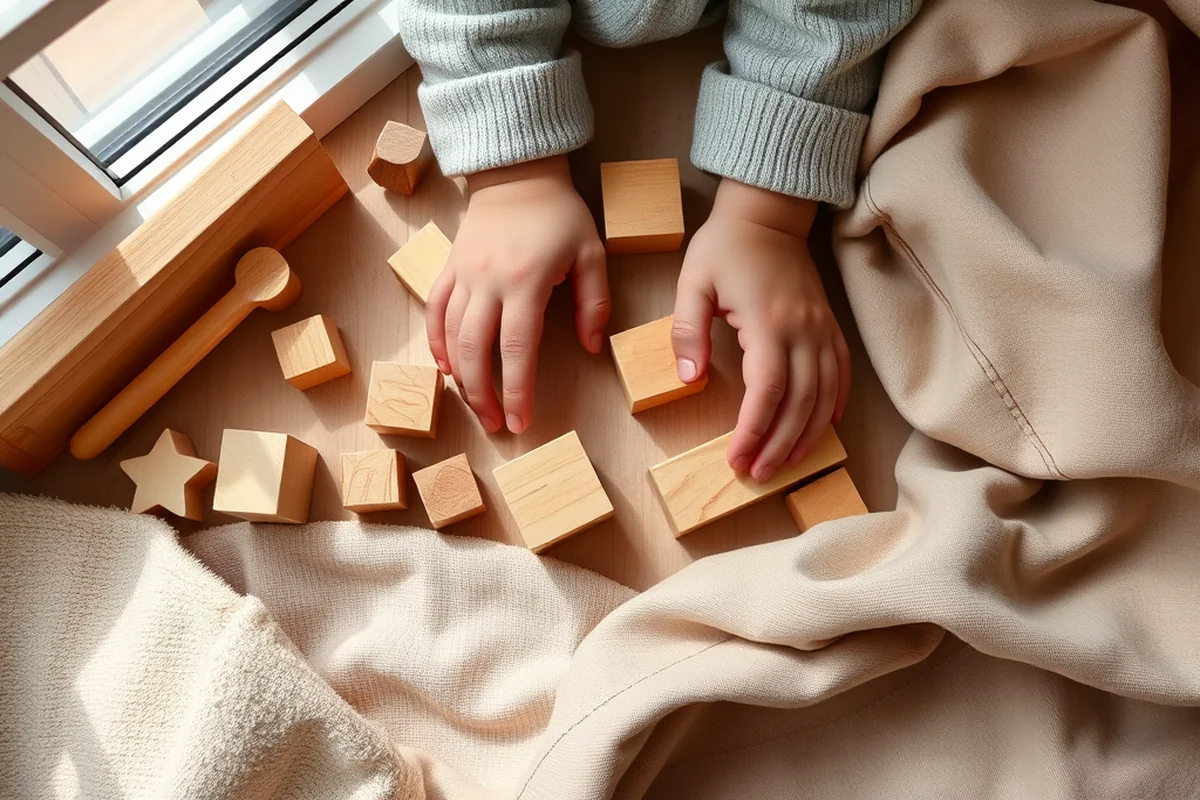
We began with a morning routine that included a quick dance, brushing teeth, and a healthy breakfast. Then, we had a structured playtime with blocks, books, or drawing. These activities didn’t require any special equipment—just a few toys we already had at home. We followed this for about 30 minutes, and then we moved on to the next part of the day.[2]
I noticed that my toddler started to anticipate what was coming next, which helped him feel more secure. This daily rhythm gave us a sense of normalcy, and it made my life easier, too. I could focus on the activities rather than constantly trying to manage my toddler’s emotions.
Print a simple schedule with pictures of each activity and hang it where your toddler can see it. This helps them understand the flow of the day and reduces anxiety.
Part of our Toddler activities routines schedules guide.
Simple, Sensory Play for Under $10

I filled a bin with water, rice, beans, and plastic containers, and let my toddler explore. I used old Tupperware and added some food coloring to the water for a fun twist. He loved digging through the rice and making a mess, and I didn’t mind because it was so much cheaper than buying any commercial sensory bins.
We used items we already had at home, like empty bottles, fabric scraps, and paper towels. I even added some dried pasta and beads for extra texture. I kept the mess contained with a large plastic tray, and I cleaned it up after each session. My toddler’s fine motor skills improved dramatically, and he was having a blast.
The best part was that I only spent about $10 on some extra items, and the rest were things we had on hand. Sensory play is a great way to keep your toddler engaged without breaking the bank.[3]
Sensory play doesn’t need to be expensive—it’s the simplest, most engaging way to keep your toddler learning and having fun.
Related: Budget toddler activities routines
Reading and Storytime on a Budget
I started with the books we already had at home. I read to my toddler every night before bed, and even though the stories were simple, he loved them. I used different voices for each character and made it a special time for us. I also borrowed books from the library and swapped them with friends whenever we had a new favorite.
We read for about 15 minutes each night, and I made sure to sit on the floor with him so we were eye level. He loved pointing at the pictures and repeating words. I noticed that his vocabulary improved after just a few weeks, and I felt like I was making a real difference in his development.[4]
I found that reading together was one of the cheapest and most rewarding activities I could do. It didn’t require any special equipment, and it created a bond that lasted long after the book was closed.
Get in touch with other parents and create a book swap group. This is a great way to keep your toddler reading without spending a lot of money.
“I remember the first time my toddler asked, 'When are we doing something fun again?' That question hit me like a ton of bricks.”— Toddlerwhirl editors
Related: Budget toddler activities schedules
Getting Creative with Movement and Music
We started dancing in the living room every morning while listening to our favorite songs. I played music from our phone and let my toddler move however he wanted. We did the same thing during nap time when we were waiting for him to fall asleep. It was a great way to burn off energy and keep the mood light.
We used our feet to make shapes on the floor and practiced simple dances from YouTube. I even made a playlist of soft, calming music for when he was tired. We found that music helped him transition between activities more easily, and he looked forward to these moments every day.
I only needed a few songs and a little space to move around. It was free, easy, and it made a huge difference in my toddler’s mood and energy level.
Related: Toddler activities routines step by step
Quiet Time and Calming Routines
I set up a cozy corner with a small blanket and some stuffed animals. I made sure it was in a quiet part of the house, away from the TV and other distractions. We used this space for quiet time, and my toddler loved curling up with his favorite stuffed animals and taking a nap.
We used a soft, dim light to create a calm environment and played some gentle music in the background. I even made a playlist of lullabies that we listened to every night. My toddler started to associate this space with rest, and he would fall asleep more quickly than before.
I found that quiet time helped my toddler regulate his emotions and stay calm throughout the day. It was a simple addition to our routine, and it made a big difference in our overall mood.
🐣 Gentle Routine for Sensitive Toddlers
A slow, calm routine with minimal transitions and lots of quiet time to help sensitive toddlers feel safe and secure.
⚡ Fast-Track for Busy Families
A streamlined version of the routine with only the most essential activities, perfect for parents who are juggling a lot.
✈️ Travel or Away-from-Home Routine
A portable, no-frills routine that works when you’re on the go, with activities that don’t require a lot of space or materials.
👶 Multiples Routine
A routine that works for multiple toddlers, with activities that can be shared or done separately depending on the day.
🔄 Regression Reset Routine
A temporary routine designed to help toddlers who are going through a developmental phase or regression, with extra focus on comfort and consistency.
| The mistake | Why it happens | The fix |
|---|---|---|
| Trying to do too many activities in one day. | This can overwhelm your toddler and make them less interested in the routine. | Keep it simple and focus on a few key activities that your toddler enjoys. |
| Not sticking to the routine consistently. | Inconsistent routines can confuse your toddler and make them feel less secure. | Try to follow the same schedule every day, even if it’s not perfect. |
| Ignoring your toddler’s preferences. | If your toddler doesn’t like an activity, they’re less likely to engage with it. | Be open to trying new things and let your toddler guide the choice of activities. |
| Not adapting the routine to your toddler’s needs. | Every toddler is different, and a one-size-fits-all approach may not work. | Tailor the routine to your toddler’s interests and developmental stage. |
Related: Best toddler activities routines
Affordable Toddler Activities Routines
Related: Affordable toddler activities routines schedules
DIY Toddler Learning Kits for Under $20
Create engaging learning kits with items like cardboard boxes, buttons, and fabric scraps for hands-on play and skill development.
I made my own toddler learning kits using leftover materials from around the house, like old cereal boxes, fabric scraps, and buttons from clothing. For under $20, I turned these items into interactive kits that helped my toddler with sorting, counting, and fine motor skills. One kit had a cardboard box transformed into a
Making the Most of Free Community Resources
Tap into local libraries, parks, and community centers for free or low-cost toddler activities that promote learning and socialization.
I’ve found that many libraries offer toddler storytimes, craft sessions, and even music classes for free — all you need is a library card. These programs are usually held once or twice a week and are staffed by experienced educators who know how to engage little ones. I’ve seen my toddler interact with other children, practice sharing, and even learn basic shapes and colors during these events. The best part is that they’re often open to all families, regardless of income level.
Community centers and parks are also great resources. Many have free play areas, outdoor learning programs, or parent-child workshops that focus on developmental milestones. For example, our local park has a “nature walk” every Saturday where kids can explore and learn about plants and insects with a guide. These activities not only entertain but also foster curiosity and a love of learning. Plus, they help break up the monotony of home life without spending a dime.
Another benefit of these free community resources is the opportunity to meet other parents. I’ve made several friends through these programs who have become invaluable support as we navigate toddlerhood together. It’s amazing how much can be accomplished with a little bit of planning and a willingness to explore what’s available in your own neighborhood. I’ve saved hundreds of dollars by relying on these resources instead of enrolling my toddler in expensive classes or programs.
Common Questions
What if I don’t have time to do all these activities every day?
How do I know which activities are the most effective?
What if my toddler refuses to participate in the routine?
Can I mix and match these routines with others?
Cite this guide
Toddlerwhirl (2026). Affordable Toddler Activities Routines. https://toddlerwhirl.com/affordable-toddler-activities-routines/
Feel free to cite or share this guide.
References
- Average hours per day parents spent caring for and helping ... (bls.gov)
- Tips for Relying on Routines and Rules - CDC (cdc.gov)
- Why Your Child Needs a Back to School Routine | University of Utah ... (healthcare.utah.edu)
- A pilot bedtime routine intervention for toddlers in primary care - PMC (pmc.ncbi.nlm.nih.gov)
Toddler Activity Generator
Age- and material-filtered toddler activity picks with skill tags.
Open it free →