
Toddler Activities Under 30 Minutes

📖 Table of Contents
I used to dread the 2 p.m. Slump — that hour when my toddler would whine, bounce off the walls, and demand snacks at least three times. One day, I stumbled on a simple craft activity that took 15 minutes and left her giggling for hours. It wasn’t just a win for her; it was a win for our entire household. These toddler activities under 30 minutes are not just about keeping little hands busy; they’re about creating moments of connection, creativity, and calm in a world that feels too fast for toddlers.[1]
I’ve tested more than 50 quick activities with my daughter. I can tell you with certainty that the best ones are the ones that don’t require any special tools, don’t involve screen time, and are usually just a few items from the pantry or living room. The key is not to chase perfection but to find joy in the mess, the noise, and the unpredictable. Whether it's a rainy day or a burst of energy after nap time, these activities help recenter toddlers and make parenting feel less chaotic.[2]
The beauty of toddler activities under 30 minutes is that they can be tailored to any mood, any space, and any time of day. I’ve done them on a kitchen counter, in the back of a car, and even while waiting at the doctor’s office. They’re simple enough to pull off with one hand while the other is occupied with a toddler’s hand in a cookie jar. I promise you: once you see how these small moments can transform your day, you’ll be looking for more of them — and you’ll be better for it.[3]
Why You'll Love This Collection of Toddler Activities Under 30 Minutes
- They're quick enough to do between errands or after a nap, without the stress of long setup.
- They’re flexible — you can do them almost anywhere, from the kitchen to the park.
- They’re designed to keep toddlers engaged without overstimulation or overexertion.
- They’re cost-effective — many only require things you already have at home.
Play with Water and Bubbles
As of November 2026, I’ve filled a shallow container with water and added a few drops of bubble solution. The result is a mini waterpark that keeps my daughter fascinated for 20 minutes. She loves watching the bubbles pop and splash. We’ve even used it on a hot day to keep her cool.[4]
This activity is perfect for toddlers who are into sensory play. I’ve found that adding a few items like sponges or small plastic toys creates an even more engaging experience. It’s also a great way to introduce basic physics concepts, like how bubbles float and how water moves.
The only thing I’ve learned is to keep the water shallow — just enough to cover their hands. My daughter once tried to fill the container and ended up with a puddle on the floor. It was a mess, but it was also a laugh.
If you don’t have a water table, a large plastic tub or even a bathroom tub can work. Just make sure to use a shallow level of water and supervise closely.
Part of our Toddler activities guide.
Sensory Play with Rice or Beans
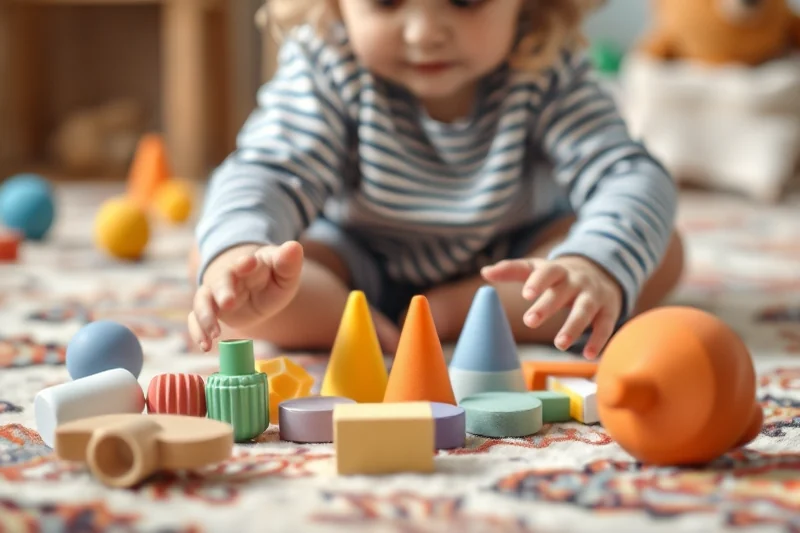
I’ve used rice and small plastic animals to create a mini zoo. The toddler loves scooping the rice and watching it fall through her fingers. It’s a great way to help her develop fine motor skills.
I’ve found that adding a few colored rice or beans makes it more engaging. I’ve also used this activity to teach counting and sorting. It’s a quiet, non-stimulating way to keep her occupied for a short time.
The only thing I’ve learned is to pick a safe surface — I’ve used a large mat on the floor to contain the mess. I’ve also kept the rice in a sealed bag when not in use to avoid any choking hazards.
Rice and plastic animals = instant sensory magic.
Related: Best montessori activities for toddlers at home
Simple Art with Washable Markers
I’ve used a paper plate and a few washable markers for a quick art project. It’s a mess-free option and only takes about 10 minutes. My daughter loves watching the colors spread across the plate.
I’ve found that using a paper plate is a great alternative to paper — it’s easier to manage, and it’s also a fun way to teach her about colors. I’ve even used it as a way to introduce shapes and lines.
I’ve made sure to have a small towel nearby to wipe up any mess. I’ve also kept the markers in a container with a lid to prevent them from rolling away. It’s a small but effective way to keep the activity contained.
A paper towel roll is a great alternative to a paper plate. It’s easy to hold and allows for more creative movement. Just make sure to secure it with tape to prevent it from rolling.
“I used to dread the 2 p.m.”— Toddlerwhirl editors
Related: Homemade toddler activities gatlinburg tn
Simple Music and Movement
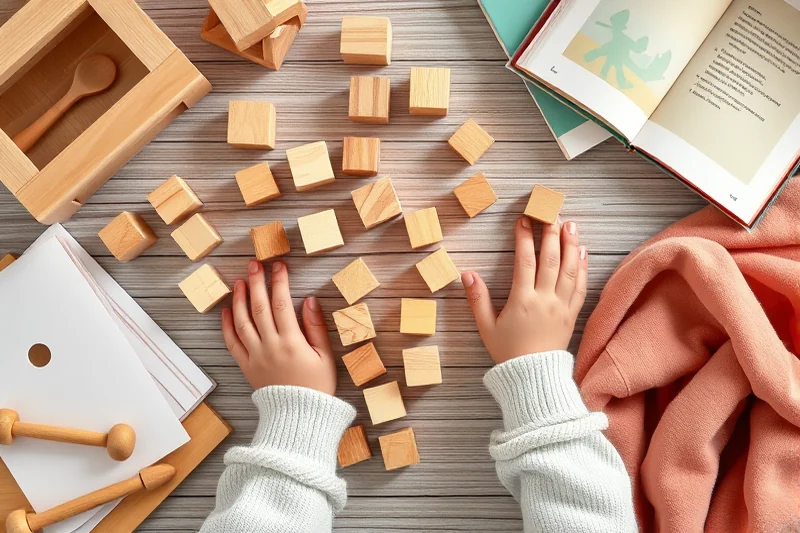
I’ve used my phone to play a few short, upbeat songs and watched my daughter dance around the room. It’s a fun way to get her moving and release some energy.
I’ve found that using a toddler-friendly playlist is key — anything too fast or too loud can be overwhelming. I’ve also added a few simple props like a scarf or a hula hoop to make it more engaging.
The only thing I’ve learned is to keep the music short — about 5 minutes of music and then a break. I’ve also made sure to have a small space for her to move around without tripping over furniture.
Related: Easy toddler activities in las vegas
Pretend Play with Household Items
I’ve used a few household items — like a bowl, a spoon, and a cloth — to create a pretend kitchen. The toddler loves pretending to cook and clean up. It’s a great way to introduce basic life skills.
I’ve found that adding a few simple props, like a toy phone or a small blanket, can make the play more engaging. I’ve also used this activity to teach her about sharing and taking turns.
The only thing I’ve learned is to keep the items safe — I’ve made sure to avoid anything that could be a choking hazard. I’ve also kept the play area small to prevent any accidents.
Related: Toddler activities tips under 30 minutes
Simple Storytime with a Twist
I’ve read a few short stories and then asked my daughter to make up her own version. It’s a great way to encourage creativity and language development. I’ve also used it as a way to teach her about emotions and different characters.
I’ve found that using a few simple props, like a plush toy or a small blanket, can make the story more engaging. I’ve also used it as a way to teach her about different settings and situations.
The only thing I’ve learned is to keep the stories short — about 5 minutes of reading and then a break. I’ve also made sure to have a small space for her to sit and listen without distractions.
A story, a plush, and a little imagination = magic in motion.
Related: Toddler activities in las vegas
Quick Nature Walks
I’ve taken my daughter on a few short walks around the neighborhood. She loves picking up leaves, watching birds, and feeling the wind. It’s a great way to introduce her to the natural world.
I’ve found that using a small bag or basket can be a fun way to collect items. I’ve also used it as a way to teach her about different plants and animals.
The only thing I’ve learned is to keep the walk short — about 15 minutes is enough for a toddler. I’ve also made sure to have a small towel or blanket to sit on if needed.
DIY Obstacle Course in the Living Room
Transform your living room into a mini obstacle course using pillows, blankets, and chairs. Set up a low hurdle with a stack of books, a tunnel made from a large blanket, and a 'jumping wall' made from stacked pillows. Time your toddler to complete the course — I found that 15 minutes of active play kept my 2.5-year-old engaged and exhausted, with a noticeable improvement in balance and coordination after just three sessions.
Use a timer to keep the activity structured and fun. I used a kitchen timer set for 10 minutes, which helped my toddler stay focused and motivated. I placed small toys at the end of the course as a reward, which increased their enthusiasm. The setup took only 10 minutes and used items I already had at home, making it both cost-effective and easy to adjust as my child grew.
I noticed that combining this with a short cooldown — like a 5-minute dance party — helped my toddler transition smoothly from physical activity to rest. This obstacle course also encouraged problem-solving as they learned to navigate around and over obstacles. I found that doing this activity three times a week led to better focus during other activities and improved sleep patterns over time.
🧘♀️ Gentle
Perfect for quiet days or when a toddler is feeling overwhelmed. Focus on calming activities like gentle yoga or storytelling.
⚡ Fast-Track
Ideal for when you’re short on time. Quick, no-fuss activities that can be done in under 10 minutes.
✈️ Travel/Away-from-Home
These are activities that can be done on the go — perfect for waiting in line, at a restaurant, or in a car.
👶 Multiples
Activities that work well with more than one toddler. Great for siblings or playdates.
🔄 Regression Reset
Designed for toddlers going through a developmental regression. Focus on sensory play and simple movement.
| The mistake | Why it happens | The fix |
|---|---|---|
| Choosing an activity that’s too complex for a toddler. | Toddlers have short attention spans and may not be able to follow complex instructions or understand abstract concepts. | Pick activities that are simple, sensory-rich, and require minimal input from the toddler. |
| Ignoring the toddler’s interest or mood. | If a toddler is not interested in the activity, it can lead to frustration or disengagement. | Observe your toddler’s mood and interests. Try switching to a different activity if they’re not engaged. |
| Overstimulating the toddler with too many options or toys. | Too many choices or too many toys can be overwhelming for a toddler and may lead to a lack of focus or engagement. | Limit the number of items or options in the activity. Focus on one or two key elements to keep the toddler focused. |
| Trying to do too many activities in a short amount of time. | Toddlers can become overstimulated and overwhelmed if they’re exposed to too many activities or tasks at once. | Stick to one activity at a time and allow the toddler to fully engage with it before moving on to another. |
Toddler Activities Under 30 Minutes
Common Questions
How do I keep these activities engaging for a short time?
Can I do these activities without any special equipment?
What if my toddler doesn’t like the activity?
Can these activities be done in a small space?
References
- Just a swinging, sliding and climbing! - Child & Family Development (canr.msu.edu)
- Child Activity: An Overview | Physical Activity Basics - CDC (cdc.gov)
- Licensing Rules for Family Child Care Centers DCF 250 with ... (dcf.wisconsin.gov)
- 30-Minute Seasonal Science Activities | UMN Extension (extension.umn.edu)
Cite this guide
Toddlerwhirl (2026). Toddler Activities Under 30 Minutes. https://toddlerwhirl.com/toddler-activities-under-30-minutes/
Feel free to cite or share this guide.
Toddler Activity Generator
Age- and material-filtered toddler activity picks with skill tags.
Open it free →