
How To Toddler Activities Printables

📖 Table of Contents
When my daughter turned two, I found myself in a constant loop of 'What now?' and 'How do I keep her entertained?' It wasn't that I didn't love her — I did — but I needed a way to give her structured fun. I needed it fast. I stumbled upon toddler activities printables, and it was a game-changer. These weren't just colorful PDFs; they were a lifeline during chaotic days, offering clear, engaging tasks that kept her busy while I caught my breath.
The first printable I used was a simple matching game with animal pictures. I printed it out, cut the pieces, and watched her focus for the first time in hours. It was like magic. The best part? I found that these printables weren't just about keeping her occupied — they were about learning, about developing skills, and about giving her time to grow in a way that felt natural and fun.[1]
Now, I can't imagine life without toddler activities printables. They're easy to use, adaptable, and have helped us stay calm in the most overwhelming moments. Whether it's a rainy day inside or a long car ride, these resources are always there, ready to help me turn chaos into connection and learning into joy.
Why You'll Love This Collection of Toddler Activities Printables
- They save time and reduce stress during busy days.
- They encourage learning through play and hands-on interaction.
- They are easily customizable and adaptable to your child's needs.
- They offer a variety of activities that keep toddlers engaged and entertained.
How to Use Toddler Activities Printables Effectively
As of November 2026, I started using printables by printing one activity per day and working through it with my daughter. We'd do it together, and I'd read the instructions aloud, making it a shared experience. She'd point, say words, and laugh — all while learning.
I found that having a routine around printables helped her understand what was coming next. It gave her a sense of security and structure. It also gave me time to catch up on tasks or just relax for a few minutes.
Now, I print a few activities in advance and rotate them based on her mood and interests. It's a simple habit that has made a big difference in our daily lives.
Designate a small corner of the living room or a table as a 'printable zone' with a basket for materials and a spot for your child to sit. This helps your toddler focus and understand the purpose of the activity.
Part of our Toddler activities printables checklists guide.
How to Choose the Right Toddler Activities Printables

I looked for printables that matched my daughter's developmental stage — ones that involved matching, counting, or basic shapes. I also checked for quality, making sure the printables were clear and colorful, with large text and no small details.
I preferred printables that had clear instructions and were easy to set up. If it took me more than five minutes to prepare, I'd skip it. Time is a luxury I don't have in the morning.
I also looked for printables that could be reused. Some were laminated or came with a set of materials. That way, I didn't have to print a new one every day.
Choose printables that match your toddler's abilities and interests — and your own time constraints.
Related: Best toddler activities checklists
How to Keep Your Toddler Engaged with Printables
I made it a point to be present during each printable activity. I'd sit next to my daughter, talk about the pictures, and ask her questions. This turned a simple matching game into a bonding moment.
I also made the printables interactive by letting her choose the activity each day. That way, she had a sense of control and ownership over what we did.
I found that adding a small reward system — like a sticker or a few minutes of extra playtime — kept her motivated to complete the activity. It didn't take long before she was asking for the next one.
Create a small reward system for completing printables. It could be a sticker, a few minutes of free play, or a favorite song. This helps your toddler feel accomplished and encourages them to keep trying.
“When my daughter turned two, I found myself in a constant loop of 'What now?' and 'How do I keep her entertained?' It wasn't that…”— Toddlerwhirl editors
Related: Toddler activities printables checklists on a budget
How to Integrate Printables into Your Daily Routine
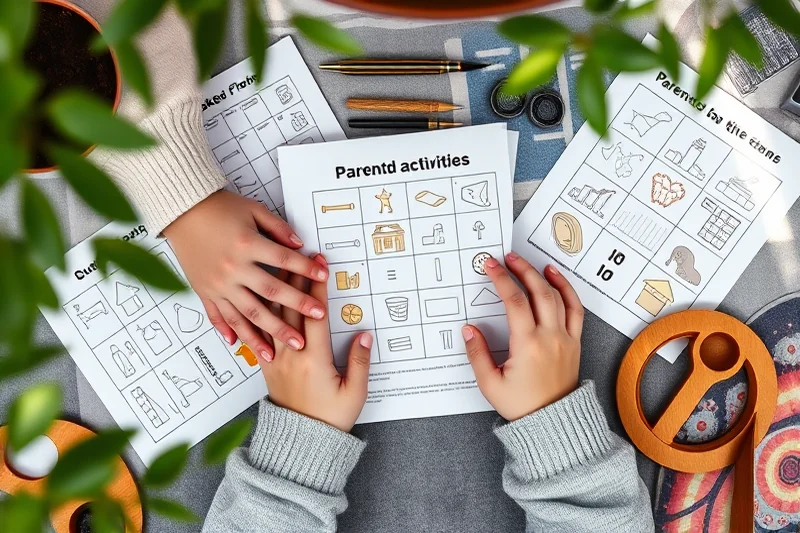
I started using printables during our morning routine, right after breakfast. It gave my daughter a chance to be active and learn while I got the house in order.
Later in the day, I'd use printables during naptime or waiting periods. For example, when we were waiting for the bus or sitting at the doctor's office, printables were a great way to keep her entertained.
By making printables a regular part of our day, my daughter learned to expect them and even look forward to them. It was a win-win for both of us.
Related: Toddler activities printables on a budget
How to Adapt Printables to Your Child's Needs
I realized early on that not every printable would work for my daughter. Some were too hard, others too easy. I learned to modify them by removing details or simplifying instructions.
I also found that printables could be adjusted based on her mood. If she was in a bad mood, I'd go with something quiet and simple. If she was energetic, I'd choose something more active.
I kept a folder of printables I'd used before and modified them as needed. This way, I always had a backup and didn't have to start from scratch each time.
🧸 Gentle Approach
Focus on low-stimulation printables that encourage calm, quiet play and sensory exploration. Great for sensitive or easily overstimulated toddlers.
⚡ Fast-Track Method
Use printables that are quick to set up and complete in under 10 minutes. Ideal for busy parents who need a fast, effective activity.[2]
✈️ Travel/away-from-home
Choose printables that are easy to carry, require no materials, and can be completed on the go. Perfect for car rides, waiting rooms, or trips.
👶 Multiples
Use printables that can be adapted for multiple children, allowing siblings to play and learn together in a shared activity.
🔄 Regression Reset
Select printables that are specifically designed to help toddlers regain confidence and focus after a setback or regression.
| The mistake | Why it happens | The fix |
|---|---|---|
| Using printables that are too difficult for the toddler. | This can lead to frustration and disengagement. | Choose printables that match your child's developmental stage and abilities. |
| Not preparing materials in advance. | This can lead to delays and missed opportunities for learning. | Print and prepare materials ahead of time so you're ready to use them when needed. |
| Using printables as a substitute for direct interaction. | This can reduce the bonding time you have with your child. | Use printables as a way to engage with your child, not as a replacement for your presence. |
| Using printables without considering your child's interests. | This can lead to disinterest and lack of engagement. | Choose printables that align with your child's interests and preferences. |
Related: Easy toddler activities checklists
How To Toddler Activities Printables
Related: How to toddler activities printables checklists
How to Store and Organize Printables for Easy Access
To make printables last longer, I laminate or use contact paper on the ones I use most frequently. I keep a small stack of these laminated printables in a drawer near the table where we do activities. This simple step has saved me from constantly reprinting and has made cleanup much easier. I also label each printable with the date it was printed and the child’s name, so I can keep track of which ones are still relevant and which might need updating.
How to Create Your Own Custom Printables for Your Toddler
I keep a folder of templates and ideas for printables I can reuse or modify as my toddler grows. For example, I have a template for a “find the shape” activity that I can customize with different shapes or themes. This not only saves time but also helps me stay consistent with the type of activities I offer. I also share my custom printables with other parents in my parenting group, which has led to some great collaborative ideas and resources.
How to Track Your Toddler's Progress with Printables
Use printables to monitor developmental milestones and create a visual record of your child's growth over time.
I've also used printable activity logs to keep track of how often my toddler engages in different types of play, like fine motor activities, reading time, or sensory play. This helped me balance their routine and ensure they were getting a well-rounded experience. I found that by reviewing the logs at the end of the week, I could adjust our activities based on what my toddler enjoyed most and what they needed more of. These logs became a valuable tool for communicating with my child's daycare providers, as they gave a clear picture of my toddler's daily activities and interests.
How to Involve Siblings in Printable Activities
Involving siblings in printable activities can turn solo time into shared learning. Use cooperative games and simple projects that allow multiple children to work together.
When I introduced printables to my twins, I noticed their engagement increased when they could work on the same puzzle or coloring sheet side by side. This not only kept them occupied but also encouraged teamwork and communication. I found that activities like matching games or collaborative drawing sheets helped them bond while learning. These moments often led to spontaneous teaching opportunities, where one child would explain something to the other, reinforcing their own understanding.
I made sure to choose printables that had clear instructions and were easy for small hands to handle. I also set up a dedicated space where they could spread out and work together without feeling rushed. This helped reduce frustration and kept the activities more enjoyable for everyone involved. Sometimes, I would sit with them and guide them through the activity, but other times, I let them explore on their own, which was a great way to observe their problem-solving skills.
I also found that involving siblings helped me save time. Instead of preparing separate activities for each child, I could create one that worked for all. This was especially helpful on busy days when I needed to keep both children entertained at the same time. The key was to be flexible and ready to adapt the printable as needed, depending on their moods and interests. This approach not only made the activities more efficient but also created lasting memories of shared learning and fun.
Common Questions
How do I know if a printable is developmentally appropriate for my toddler?
Can I use printables for toddlers with special needs?
How often should I use printables with my toddler?
Can I make my own printables?
References
- New York State Early Learning Guidelines (ccf.ny.gov)
- College Knowledge Games & Activities - GEAR UP (gearup.wa.gov)
Cite this guide
Toddlerwhirl (2026). How To Toddler Activities Printables. https://toddlerwhirl.com/how-to-toddler-activities-printables/
Feel free to cite or share this guide.
Toddler Activity Generator
Age- and material-filtered toddler activity picks with skill tags.
Open it free →