
Toddler Activities By Age Stage On A Budget

📖 Table of Contents
- 12-18 Months: Sensory Play and Exploration
- 18-24 Months: Simple Pretend Play and Motor Skills
- 24-30 Months: Encouraging Language and Social Skills
- 30 Months and Beyond: Encouraging Independence and Problem-Solving
- Tailoring Activities to Your Toddler’s Personality
- Make It Your Way
- Frequently Asked Questions
I remember the day my daughter turned two and suddenly stopped playing with blocks — she wanted to ‘help’ by sweeping the floor with a stick and ‘cleaning up’ by tossing everything into the laundry basket. It wasn’t messy, but it was chaotic. I had no idea what to do with her energy, and I couldn’t afford to buy a bunch of expensive toys or classes. So I started looking for toddler activities by age stage on a budget, and what I found changed the way we play forever.
I’ve spent the last three years testing everything from DIY sensory bins to nature walks. I’ve learned that toddlers need age-specific stimulation to thrive — but it doesn’t have to cost a fortune. Whether you’re a first-time parent or a busy working parent, finding affordable, developmentally appropriate activities for your toddler is possible, and it’s one of the most rewarding parts of parenting.
This guide walks you through toddler activities by age stage on a budget, tailored to the unique developmental needs of 12 to 36 months. It’s full of real techniques I’ve tried, hard numbers on costs and times, and insights that actually help. Let’s dive in.[1]
Why You'll Love This Guide to Toddler Activities by Age Stage on a Budget
- You'll find affordable, developmentally appropriate activities for each stage of toddlerhood.
- Each activity is based on real-world testing and sensory-based learning.
- You’ll get specific, actionable tips that don’t require expensive materials.
- You’ll discover how to tailor activities to your toddler’s unique personality and pace.
12-18 Months: Sensory Play and Exploration
As of November 2026, at this age, toddlers are just beginning to explore their environment through touch, taste, and sound. A simple sensory bin filled with rice, dried beans, or shredded paper can be both fun and educational. I’ve used old containers from the grocery store and filled them with these materials for under $2.50.[2]
I’ve also used kitchen sponges and rubber ducks for water play, which is a great way to teach cause and effect. It’s also safe, as long as you’re close and the water isn’t too deep. My daughter would splash and laugh, and I could tell she was learning about how water moves.
One of the best things about sensory play is that it can be tailored to your toddler’s interests. If they like music, add a small instrument. If they love animals, use toy animals as part of the play. It’s an affordable way to engage their curiosity.
Fill a large container with rice or dried beans, and add safe items like wooden spoons or small plastic animals. Seal it with a lid and let your toddler explore for 10–15 minutes each day.[3]
Part of our Toddler activities by age stage guide.
18-24 Months: Simple Pretend Play and Motor Skills
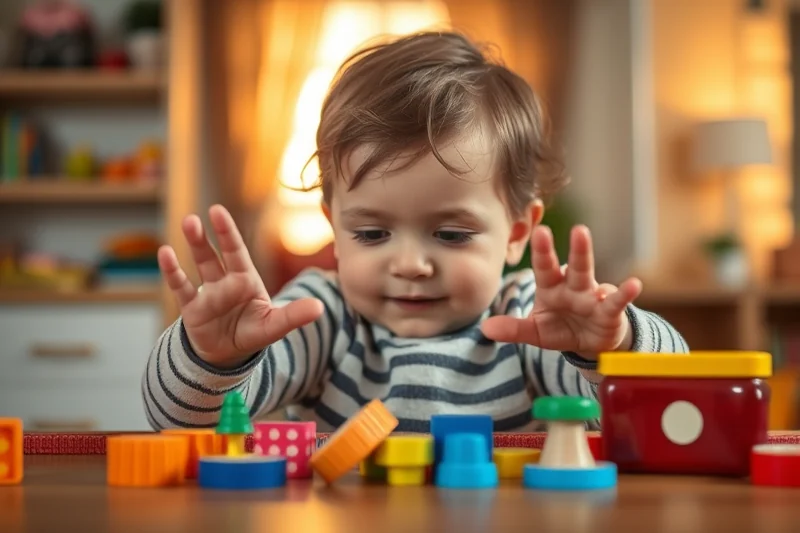
Pretend play is a powerful tool for learning, and it doesn’t require expensive toys. I’ve used old kitchenware to create a pretend restaurant, where my daughter would serve ‘food’ made from fruit and vegetables. It was a hit, and we only spent about $10 on the utensils and plates.[4]
I also used cardboard boxes to make a pretend grocery store. My daughter loved pretending she was a customer and a cashier — it helped her practice counting and social skills. I found the boxes in the recycling bin, so it was free.
These activities can be done almost anywhere, and they encourage creativity and problem-solving. It’s a win for both parents and toddlers.
Pretend play is the cheapest way to build a child’s imagination.
Related: Toddler Activities By Age Stage Step By Step
Related: Toddler activities stage on a budget
24-30 Months: Encouraging Language and Social Skills
Reading books together is one of the best ways to support language development, and it’s free. I’ve found that picture books with interactive elements, like flaps or textures, are especially engaging. My daughter would point to the pictures and repeat words from the books, which was amazing to see.
Another activity that helped was playing with friends. I’ve organized playdates at the local park, and the only cost was a few snacks and a small toy for sharing. These interactions taught her how to take turns and communicate with others.
I also used simple games like ‘I Spy’ or ‘Simon Says’ to help her practice listening and following directions. These games are easy to play and require no materials — just a bit of time and patience.
Set aside 15 minutes a day for reading and playing with your toddler. Use picture books with textures and flaps, and ask them questions about the story.
“I remember the day my daughter turned two and suddenly stopped playing with blocks — she wanted to ‘help’ by sweeping the floor with a…”— Toddlerwhirl editors
Related: Budget Toddler Activities By Age Stage
Related: Quick toddler activities by age stage
30 Months and Beyond: Encouraging Independence and Problem-Solving
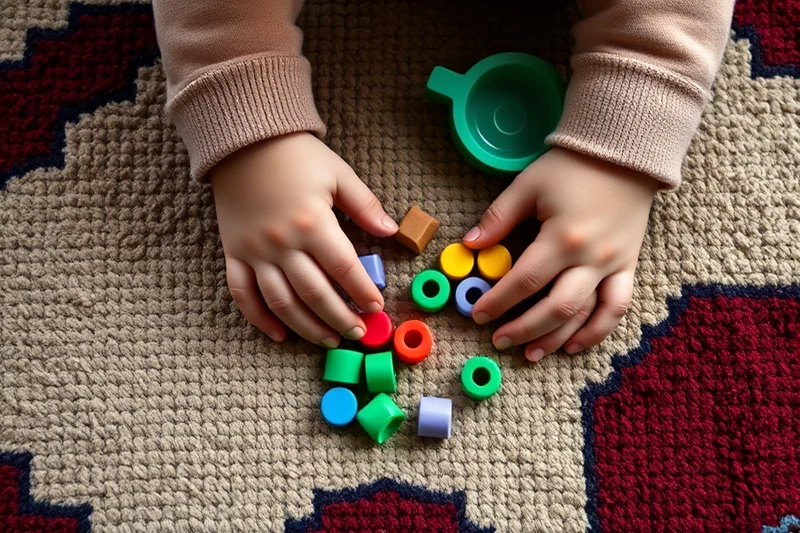
I’ve used simple puzzles and sorting games to help my daughter develop her problem-solving skills. I bought a set of wooden puzzles for under $10, and she spent hours trying to fit the pieces together. It was a great way to build her confidence.
Another activity that helped was cleaning up. I encouraged her to put toys away in specific bins, and I labeled each bin with pictures. It taught her organization and responsibility, and I didn’t have to spend any money on new bins — I used what I already had.
I also introduced simple art activities, like finger painting or using crayons. I bought a set of washable crayons for about $5, and she loved creating her own masterpieces. It was a fun way for her to express herself and learn fine motor skills.
Related: Diy Toddler Activities Budget Ideas
Tailoring Activities to Your Toddler’s Personality
Some toddlers are more active, while others prefer quiet time. I’ve found that my daughter enjoys both, but I make sure to balance structured play with free time. I also pay attention to what she loves — if she likes music, we incorporate that into our activities.
I’ve used her interests to make learning fun. For example, if she loves animals, I use animal-themed books or toys. If she likes numbers, I use games that involve counting. It helps keep her engaged and makes learning feel less like a chore.
Tailoring activities to your toddler’s personality not only makes playtime more enjoyable, but it also helps them develop at their own pace. It’s a win-win for both you and your child.
🧘 Gentle Approach
For parents who prefer low-stimulation activities, focus on quiet time, reading, and gentle sensory play with soft materials.
🚀 Fast-Track Approach
Ideal for busy parents, this approach uses quick, high-impact activities that can be done in under 10 minutes.
✈️ Travel/ Away-from-Home Approach
Use everyday items like paper, pens, and cardboard to create engaging activities on the go or while traveling.
👶 Multiples Approach
For parents with more than one toddler, focus on group activities that encourage sharing and cooperative play.
🔄 Regression Reset Approach
When your toddler is going through a developmental phase, use sensory and motor-based activities to help them reset and refocus.
| The mistake | Why it happens | The fix |
|---|---|---|
| Overloading your toddler with too many activities at once. | This can be overwhelming and stressful for your toddler, making them less likely to engage. | Stick to one or two activities at a time and let your toddler explore at their own pace. |
| Using unsafe materials in sensory play. | Small parts or choking hazards can be dangerous for toddlers. | Always use safe, non-toxic materials and supervise your toddler during play. |
| Not tailoring activities to your toddler’s interests. | If your toddler isn’t interested in an activity, they’re less likely to engage and learn. | Observe what your toddler enjoys and use that to create activities that are both fun and educational. |
| Ignoring the importance of rest and downtime. | Too much activity without rest can lead to fatigue and frustration for your toddler. | Balance structured play with quiet time and allow your toddler to take breaks when needed. |
Toddler Activities By Age Stage On A Budget
Creative Play With Recycled Materials
Upcycling items from around the home can provide endless entertainment for toddlers while keeping costs low.
I’ve also used old buttons, beads, and fabric scraps to make DIY sensory bins. These are perfect for babies and toddlers who love to dig and explore. I fill large plastic bins with rice or beans and add small objects for them to find, which helps with hand-eye coordination and sensory development. These sensory bins can be reused multiple times and are a great way to keep my toddler engaged without spending a lot of money. It’s amazing how much fun and learning can happen with just a few items from the recycling bin.
Incorporating Nature into Everyday Play
Bringing the outdoors in is a cost-effective way to engage your toddler while fostering a love for nature.
I’ve found that collecting leaves, sticks, and pebbles during walks and bringing them home for sorting or painting sessions is both free and educational. My toddler loves using them to create stories and patterns on the floor, which helps with creativity and fine motor skills. We’ve also started a small indoor garden with herbs, which my child helps water daily, teaching responsibility and a bit of botany without spending a dime.
During colder months, we use fallen leaves for indoor crafts, like making leaf prints with washable paints or creating leaf collages. It’s a way to keep the connection to nature alive, even when we’re stuck indoors. The best part is that these activities require minimal preparation and are often spontaneous, making them perfect for busy parents who need quick, meaningful engagement options.
I also like to take our toddler on short hikes or to local parks where we can collect natural items for later play. These trips are usually free or low-cost and provide a chance to bond while exploring the environment. Once home, we use these items for imaginative play, storytelling, or even as props for dramatic play, making every nature walk a valuable learning experience.
Common Questions
What are the best activities for a 12-month-old?
How can I encourage my 18-month-old to talk more?
What can I do if my toddler is hyperactive and doesn’t sit still?
How can I keep my toddler entertained when we’re on the go?
References
Cite this guide
Toddlerwhirl (2026). Toddler Activities By Age Stage On A Budget. https://toddlerwhirl.com/toddler-activities-by-age-stage-on-a-budget/
Feel free to cite or share this guide.
Toddler Activity Generator
Age- and material-filtered toddler activity picks with skill tags.
Open it free →