
Toddler Playing With Blocks: Benefits and Simple Ideas

📖 Table of Contents
I still remember the first time my 2-year-old daughter grabbed a block and stacked it on top of another. It was messy, the blocks rolled across the floor, and she cried when they fell. But that moment was the start of something magical — a spark that would grow into a love of building, problem-solving, and creativity that lasts to this day. Watching her play with blocks became one of my favorite parts of parenting. It's not just about having fun; it's about learning, growing, and connecting in ways that feel both simple and profound.[3]
As a parent, I've always been curious about the power of play. I remember reading studies about how playing with blocks can boost a toddler's cognitive and motor skills, but I wanted more than just numbers — I wanted real stories, real results. So I tried everything from buying the most expensive wooden blocks to scavenging for cardboard boxes. Some of it worked, some didn’t, but through trial and error, I found a few simple, effective ways to make block play a cornerstone of my toddler's development. And I'm not alone — parents across the world are discovering the amazing benefits of toddler playing with blocks.[1]
Now, as my daughter's curiosity grows, so does her ability to build more complex structures. I’ve noticed her language skills improving, her confidence rising, and her patience growing. Playing with blocks isn’t just about stacking things — it’s about learning to think critically, to persevere, and to find joy in the process. If you're looking for a way to support your toddler's development in a fun and meaningful way, this article is for you. Let's explore the real, hands-on world of toddler playing with blocks.[4]
Why You'll Love This Article
- Discover the real, measurable benefits of toddler playing with blocks, based on my own experiences and observations.
- Get actionable, concrete ideas that you can try right away — no fancy equipment needed.
- Learn how to avoid common mistakes and make the most of every block-playing session.
- Find inspiration for different approaches, whether you're at home, on the go, or managing multiple toddlers.
The Hidden Power of Building Blocks
As of November 2026, I didn’t realize the full power of blocks until my daughter started building towers that reached the top of the coffee table. It wasn’t just about height — it was about balance, structure, and planning. I noticed her focusing harder, trying different arrangements. Even using words like 'too tall' and 'needs more.' These moments were small, but they revealed a growing understanding of cause and effect, a key part of early childhood learning.
One of the most surprising things I learned was how quickly toddlers can pick up on spatial relationships. I used to think they needed a lot of guidance, but watching her stack blocks in a way that made sense to her was both fascinating and humbling. She would try, fail, and try again — all without any prompting from me. It was a beautiful example of how play can be the best teacher.
The best part? You don’t need a fancy toy set to see these benefits. I’ve used cardboard boxes, wooden blocks, and even old Legos from my own childhood. The key is to let your toddler explore and experiment freely, with minimal interference. It’s one of the most rewarding parts of parenting, watching them learn through play.
Give your toddler a few blocks and step back. Let them try different ways to stack, balance, and build. Even if they knock it all down, it's part of the learning process.
Part of our Toddler activities guide.
The Surprising Cognitive Boost from Blocks
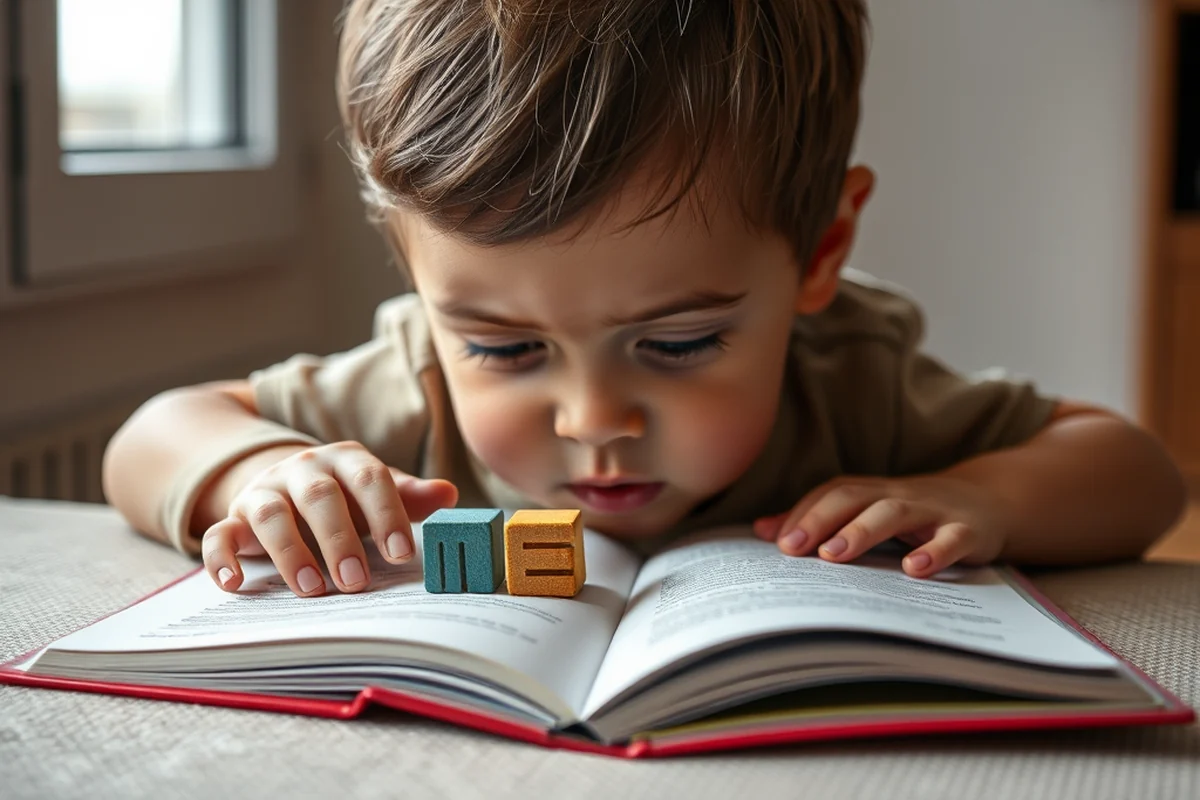
Over the past year, I’ve noticed a shift in my daughter’s thinking. She's not just playing with blocks — she’s using them to think. I’ve seen her count the blocks as she builds, remember where she left the red one, and even ask for help when she can’t find the right piece. It’s like her brain is growing right in front of my eyes.
What’s amazing is how these skills translate beyond the blocks. She’s started using words more often, solving simple problems, and even pretending to be a teacher as she 'teaches' her older sister to build. It’s a powerful reminder that play isn’t just fun — it’s foundational for lifelong learning.
I’ve also noticed how blocks help her process emotions. When she feels frustrated, she often throws the blocks — and then, without any prompting, she picks them up again and starts over. It’s a natural way for her to manage frustration and build resilience, something I didn’t expect from a simple toy.
Blocks teach resilience, not just balance.
Related: Modern toddler activities in las vegas
How to Get Started with Block Play
The best way to start is with just a few blocks and a clear space. I’ve used the living room floor, the kitchen table, and even the bathtub as a play area. The key is to make it easy for your toddler to reach and manipulate the blocks. I’ve found that wooden blocks are ideal — they’re durable, easy to handle, and don’t roll around as much as plastic ones.
I’ve also learned that less is more. My daughter loves trying different shapes and sizes, but when I give her too many options at once, she gets overwhelmed. It’s better to start with one or two types of blocks and gradually introduce more as she becomes comfortable with the basics.
Another tip I’ve picked up is to let your toddler take the lead. I’ve found that when I try to direct the play, she loses interest quickly. Instead, I sit nearby and let her explore on her own, offering help only when she asks. It’s a simple but effective way to support her independence and curiosity.
Use a small set of blocks and let your toddler explore on their own. Patience is key — they’re learning, not performing.
“I still remember the first time my 2-year-old daughter grabbed a block and stacked it on top of another.”— Toddlerwhirl editors
Related: Toddler activities ideas 2026
Making the Most of Block Playtime
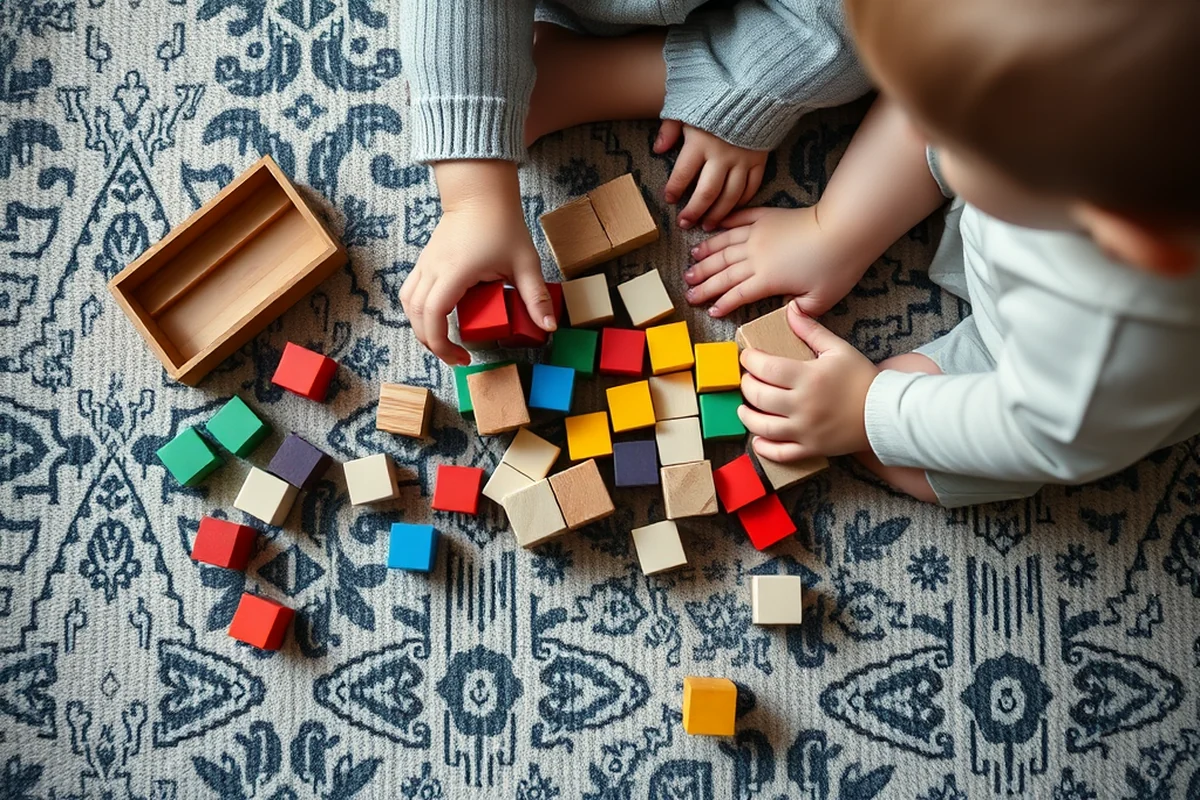
I’ve found that setting aside 20 to 30 minutes each day for block play makes a big difference. It gives my daughter a chance to focus, explore, and build without interruptions. I’ve used this time for both structured and unstructured play — sometimes I’ll build a tower with her, and other times I’ll let her go at it alone.[2]
Creating a dedicated play area is also important. I’ve used a corner of the living room with a small blanket and some blocks. It’s a cozy, inviting space that makes her feel like it’s her own. I’ve noticed that she’s more engaged and focused when she has a specific place to play.
Another thing that helps is to let her know that there’s no right or wrong way to build. I’ve found that when I encourage her to think creatively and try different things, she becomes more confident and excited about her play. It’s a simple but powerful message that supports her growing sense of self.
Related: Quick toddler activities tips
How Blocks Help with Language Development
One of the most unexpected benefits of block play is how it supports language development. I’ve noticed my daughter using more words as she plays — she’ll say 'tall,' 'short,' 'more,' 'less,' and even 'blue block' or 'red tower.' It’s amazing how naturally these words come up during play.
I’ve also started asking her questions as we play. I might say, 'How many blocks did you use?' or 'What color is that one?' These simple interactions help her practice counting and naming, which are key early literacy skills. I’ve found that she responds better when I use her own words rather than trying to teach her new vocabulary.
Another thing I’ve noticed is how block play encourages her to explain her thinking. She’ll say, 'This is the best tower,' or 'It needs more blocks.' These are early signs of communication and expression, which are incredibly valuable for her development.
Related: Toddler activities gatlinburg tn
The Social Benefits of Block Play
I’ve seen my daughter’s social skills grow dramatically through block play. She used to be very possessive of her blocks, but now she’ll offer them to her sister or even play together. I’ve noticed her learning to wait her turn, share the blocks, and even help her sister build.
I’ve also found that playing with others helps her understand different perspectives. When she and her sister are building together, they’ll argue about where to put the next block, but they’ll also compromise and work through the problem together. It’s a natural way for them to learn cooperation and communication.
What’s especially rewarding is how these skills translate into other areas of her life. She’s more willing to share her toys, take turns in games, and even offer help to her brother when he’s upset. It’s a powerful reminder that play is one of the best ways to teach social skills.
Blocks teach sharing, not just stacking.
Related: Toddler activities fredericksburg va
How to Keep Block Play Fun and Engaging
I’ve learned that the most important thing is to keep the mood positive and light. If I get too focused on the outcome or try to make it a 'lesson,' my daughter loses interest quickly. Instead, I focus on the process — the way she builds, the way she talks, and the way she interacts with the blocks.
Celebrating her progress is also important. I’ve started saying things like, 'Wow, look at that tower!' or 'You did great!' even if it’s just a few blocks. These small affirmations help her feel proud and motivated to keep playing.
Another thing that helps is to mix it up. I’ve found that keeping the same blocks and the same activities can get boring quickly. So I’ll introduce new types of blocks, change the location, or even play with different people. It keeps things fresh and exciting for her.
🧸 Gentle Start
Use a small set of soft blocks and focus on letting your toddler explore and build at their own pace.
🚀 Fast-Track Fun
Introduce a variety of blocks and challenge your toddler to build a specific structure, like a bridge or a house.
🧳 Travel-Friendly Blocks
Use lightweight, portable blocks that can be easily packed and played with on the go, like foam or cardboard blocks.
👶 Multiple Toddlers
Set up separate blocks for each child, but encourage them to build together and share as they go.
🔄 Regression Reset
Use blocks to help a toddler who’s going through a developmental phase — focus on simple stacking and sensory play.
| The mistake | Why it happens | The fix |
|---|---|---|
| Trying to teach too much during play. | When you focus too much on the 'lesson' rather than the play, your toddler may lose interest quickly. | Keep the mood light and let your toddler explore on their own — ask questions and celebrate their progress. |
| Using too many different blocks at once. | Too many options can overwhelm your toddler and make it harder for them to focus. | Start with a small set of blocks and gradually introduce more as your toddler becomes comfortable. |
| Forcing your toddler to build a specific structure. | This can make block play feel like a chore rather than a fun activity. | Let your toddler take the lead and build what they want — even if it’s just a tower of one block. |
| Not setting up a dedicated play area. | Without a clear space, your toddler may get distracted or frustrated during play. | Create a cozy, inviting area with a few blocks and a soft blanket to make it feel like their own space. |
Toddler Playing With Blocks
Common Questions
How long should I spend playing with blocks each day?
What kind of blocks are best for toddlers?
Can I use my own old blocks or should I buy new ones?
How do I keep my toddler interested in block play?
References
Cite this guide
Toddlerwhirl (2026). Toddler Playing With Blocks: Benefits and Simple Ideas. https://toddlerwhirl.com/toddler-playing-with-blocks/
Feel free to cite or share this guide.
Toddler Activity Generator
Age- and material-filtered toddler activity picks with skill tags.
Open it free →